In this fast-paced world, it’s all too easy to feel left behind, especially when we see others experiencing breakthroughs and blessings in their lives. Many of us find ourselves wondering, “When will it be my turn?” I know I’ve asked this question on numerous occasions, and I’m sure many of you have too.
This morning, as I woke up, I felt a gentle nudge from God that brought me immense comfort. The verse that came to mind was Lamentations 3:25, which states, “The Lord is good unto them that wait for Him, to the soul that seeketh Him.” It was a reminder that waiting on God is not just about patience but also about trust and faith in His timing.
Later in the day, I reflected on Galatians 6:9, which encourages us, “And let us not be weary in well doing: for in due season we shall reap, if we faint not.” These verses remind us that our efforts and perseverance are not in vain. There is a season for everything. It made me realize that even when we don’t see immediate results, our hard work and dedication will bear fruit if we remain steadfast.
Another powerful verse that resonated with me was Habakkuk 2:3: “For the vision is yet for an appointed time; in the end, it shall speak, and not lie; though it tarry, wait for it; because it will surely come, it will not be behindhand.” This reminded me that God’s plans are often beyond our understanding. Sometimes, our waiting serves a purpose that we may not yet see.
Each of these verses reflects a profound truth about the nature of faith and patience. They inspire us to lean into our waiting periods, encouraging us to seek God actively during these times. We’re reminded that every delay might just be a part of a bigger, divine plan that’s unfolding in our lives.
In conclusion, as we navigate this journey, let’s continue to trust in God’s timing. While we may see others receiving their blessings, let’s remember that our day will come too. Let’s keep pushing forward, doing good, and seeking God earnestly because our breakthrough is on the horizon. It’s not about if it will come, but when. So let’s hold on, wait patiently, and keep the faith. Rejoice with them that rejoice—your day is coming.
As followers of Christ, our mission extends beyond our own personal faith journey; it encompasses a vital responsibility to lead others—especially those who are lost—to Him. This calling speaks to the heart of our faith and is beautifully illustrated in Isaiah Chapter 3. While this chapter discusses the consequences of failed leadership in ancient Israel, it also offers insights that are applicable to all Christians today, reminding us of the importance of guiding others on their path to redemption.
Every Christian is called to be a light in the world, serving as Christ’s ambassadors. In 2 Corinthians 5:20, Paul reminds us that we are “therefore Christ’s ambassadors, as though God were making his appeal through us.” This means that we all have a part to play in sharing the message of hope and salvation with those around us.
Isaiah 3 teaches us about the dangers of poor leadership, which can lead a community away from God. As Christians, we must engage in responsible leadership—particularly in how we interact with those who are struggling with sin. We are not just called to point fingers or condemn; instead, we are invited to extend grace, love, and support to help lead others back to Christ.
One of the key lessons in Isaiah 3 is about the importance of character over vanity, showing how superficial values can lead people astray. In our interactions with others, especially those who are seen as “sinners,” we must offer compassion instead of judgment. It’s easy to look at someone’s mistakes and criticize; however, Jesus showed us through His life that love and understanding can transform hearts.
When we approach those struggling with sin from a place of love, we create an environment where they can feel safe to explore faith. Sharing our own stories and struggles can help others see that they are not alone, and that Christ’s grace is available to everyone, regardless of past mistakes.
Isaiah 3 calls out social injustices and the exploitation of the vulnerable, reminding us that justice is an integral part of our witness. As Christians, we have a responsibility not only to share the Gospel but also to stand for what is right in our communities. This means advocating for those who cannot advocate for themselves and calling out injustices we witness.
When we embody love and justice, we demonstrate the heart of Christ to others. It shows that being a follower of Christ is not just about individual piety, but about living out our faith through action that uplifts and supports those around us.
Leading others to Christ isn’t just a one-time event; it’s about cultivating relationships and creating a culture of discipleship. Just as Isaiah emphasizes accountability and the role of leaders, we as Christians must invest time and energy into guiding others. This could mean hosting Bible studies, engaging in conversations about faith, or simply being present for those who are seeking.
Encouraging fellow believers to share their faith and walk alongside others in their spiritual journeys fosters a sense of community. The more we equip each other and support one another, the better we can reach out to those who need to know the love of Christ.
As Christians, we share a profound responsibility to lead sinners to Christ. Isaiah Chapter 3 reminds us of the importance of genuine leadership rooted in compassion, justice, and accountability. By embracing our roles as ambassadors for Christ, we can extend grace to those who are lost, embody a message of hope, and create a welcoming environment for transformation.
Let’s commit to being proactive in our mission—reaching out, building relationships, and most importantly, reflecting Christ’s love to a world in desperate need of hope and redemption. Together, we can play a crucial part in guiding others toward the light of Christ.
In today’s fast-paced world, it can be easy to lose sight of what truly matters in life. However, the timeless wisdom found in Proverbs 31 serves as a powerful reminder of the qualities that define a virtuous woman. This passage not only emphasizes strength, wisdom, and diligence but also provides a blueprint for living a purposeful and impactful life. Here are some key takeaways that can inspire us all:
1. The Value of Hard Work
The woman described in Proverbs 31 is industrious and proactive. She doesn’t shy away from hard work; instead, she seeks out resources and uses her skills to benefit her household. This highlights a crucial lesson: hard work is often the foundation of success. Whether in our careers, personal projects, or family matters, dedication and effort are essential to achieving our goals.
2. Wisdom and Kindness
Another remarkable quality of the Proverbs 31 woman is her ability to speak with wisdom and kindness. Our words and attitudes can significantly impact those around us. Practicing kindness and speaking with intention can foster stronger relationships and create a more positive environment, both at home and in our communities.
3. Family Focus
The commitment to her family is a cornerstone of the virtuous woman’s character. She ensures that her household is well taken care of, demonstrating the importance of nurturing relationships. In a world filled with distractions, prioritizing our loved ones and investing time in family bonds can lead to deeper connections and lasting happiness.
4. Financial Acumen
Proverbs 31 also portrays the woman as savvy in her business dealings. This aspect underscores the value of financial literacy and independence. Understanding how to manage resources effectively is a vital skill that empowers individuals to make informed decisions and support their families adequately.
5. Strength and Dignity
Strength coupled with dignity reflects a strong character and integrity. The virtuous woman embodies these traits, emphasizing the importance of standing firm in our values and convictions. In every aspect of life, exhibiting strength and maintaining dignity can inspire others and create a sense of trust and respect.
6. Fear of the Lord
Ultimately, Proverbs 31 concludes that a woman who fears the Lord deserves praise. This spiritual foundation is essential; it aligns our actions with our values and encourages us to live faithfully. Cultivating a relationship with faith can guide our decisions and provide comfort and purpose in challenging times.
Embracing the qualities outlined in Proverbs 31 can lead to a more fulfilling and impactful life. Whether we are women striving to embody these virtues or individuals seeking inspiration from them, this passage encourages us to live with purpose, compassion, and faithfulness. As we navigate our daily lives, let us remember the power of hard work, nurturing relationships, and unwavering integrity — qualities that can uplift us all.
Let’s strive to be individuals who embody these values, positively influencing those around us and creating a legacy of virtue.
In our fast-paced world, uncertainty often lurks around every corner. We face unpredictable challenges, shifting societal norms, and the ebb and flow of emotional highs and lows. Amidst all this transience, the words from Ecclesiastes Chapter 1 resonate powerfully, reminding us that while everything around us may change, there is one constant: God.
Ecclesiastes begins with a stark proclamation: “Vanity of vanities, all is vanity.” The author, presumed to be King Solomon, reflects on the futility of human efforts and pursuits. As he explores the pursuit of wisdom, pleasure, and toil, he concludes that no matter how much we strive, these endeavors often leave us feeling empty and unsatisfied.
In our own lives, we can easily become consumed by these fleeting pursuits. We chase after success, happiness, and recognition, only to find that they often bring dissatisfaction rather than fulfillment. The cyclical nature of life is laid bare; generations come and go, yet the core struggles of existence remain unchanged.
One of the key reflections in this chapter is the repetitive cycles found in nature—day turns to night, seasons change, and time marches on. Solomon emphasizes that while we engage in our busy lives, the world continues its rhythm, seemingly indifferent to our personal triumphs or failures.
This realization can be daunting and may lead to a sense of existential despair. However, within this context, there is a crucial truth we must hold onto: God remains unchanging amid the chaos. His nature, promises, and love remain steadfast, providing a foundation we can rely on when everything else feels uncertain.
When everything around us shifts and falters, we can find comfort in the fact that God is immutable. His character and promises do not waver with the changing tides of life. In a world marked by unpredictability, God’s faithfulness provides the stability we desperately need.
Psalm 102:27 reminds us, “But you are the same, and your years have no end.” This assurance invites us to shift our focus from the transient to the eternal. While we cannot control the unfolding of life’s events, we can entrust our lives to a God who is always there, unwavering in His love and purpose for us.
As Ecclesiastes challenges us to examine our pursuits, it simultaneously points us toward a deeper truth: meaning and fulfillment come not from our efforts but from our relationship with God. In the search for purpose, we discover that it is only through connecting with the Divine that we can find genuine satisfaction.
Recognizing God’s unchanging nature allows us to approach life through a different lens. Instead of being overwhelmed by the uncertainties and the “vanities” of life, we can embrace each moment with the knowledge that God is with us through every high and low.
Ecclesiastes Chapter 1 serves as a powerful reminder of the fleeting nature of human endeavors and the cyclical reality of life. Yet, amidst this uncertainty, we can anchor our hope in the unchanging nature of God. When chaos surrounds us, His love remains constant, and His faithfulness is unwavering.
As we navigate the complexities of life, let us seek meaning in our relationship with God. Instead of succumbing to despair over the vanities of life, let us find peace in the One who remains the same yesterday, today, and forever. In Him, we can rest assured that we are not alone, and that our journey holds purpose and direction.
In a world fraught with uncertainty and moral ambiguity, the call to obedience resounds with clear urgency, especially when we examine scriptural directives. A compelling passage that underscores this principle is found in Ezekiel 3:18-19 (KJV), where God speaks to the prophet Ezekiel about the grave responsibility of warning the wicked. This scripture not only emphasizes the importance of obedience but also the consequences that arise from our actions—or inactions.
The passage reads:
“When I say unto the wicked, Thou shalt surely die; and thou givest him not warning, nor speakest to warn the wicked from his wicked way, to save his life; the same wicked man shall die in his iniquity; but his blood will I require at thine hand.” (Ezekiel 3:18)
Here, God makes it abundantly clear that there is a divine expectation for those entrusted with His message. The role of a messenger is not passive; it is one filled with moral responsibility. The phrase “his blood will I require at thine hand” serves as a powerful reminder that neglecting our duty to warn others carries serious repercussions. Our obedience, in this case, becomes a matter of life and death—not just for others but for our own souls as well.
Obedience, then, is not merely about following rules; it is about engaging in a proactive, loving response to God’s call. When we are obedient to God’s voice, we align ourselves with His will, allowing us to become instruments of change in the lives of others. This brings us to the second part of the passage:
“Yet if thou warn the wicked, and he turn not from his wickedness, nor from his wicked way, he shall die in his iniquity; but thou hast delivered thy soul.” (Ezekiel 3:19)
This verse highlights the imperative of action. Even if our warnings go unheeded, the act of obedience protects our own spiritual integrity and ensures that we have done our part. It’s a call to live with courage and conviction, urging us to speak out against wrongdoings, not out of judgment, but from a place of love and concern for the soul’s salvation.
The consequences of disobedience are severe, yet the repercussions of obedience have the potential to ripple through our communities and beyond. The act of warning can lead to repentance and transformation, serving as a testament to the hope and mercy God extends to all humanity.
In today’s context, living out this principle means being unafraid to address issues of injustice, immorality, and wrongdoing while grounded in love. Whether in our personal relationships, within our communities, or on a broader societal scale, our voices matter. Every act of obedience is a chance to help redirect someone toward a path of righteousness.
So, how can we put this into practice in our daily lives? Firstly, cultivate discernment through prayer and study of scripture, allowing God’s Word to guide your decisions. Secondly, seek opportunities to engage with others—be it friends, family, or coworkers—about behaviors or attitudes that may lead them astray. Finally, remember that the outcome is not within your control. Your responsibility lies in the act of obedience and love conveyed in your actions.
The message of Ezekiel 3:18-19 serves as a powerful call to action. We must recognize our roles not only as recipients of God’s grace but also as messengers and stewards of His truth. By embracing the importance of obedience, we not only fulfill our divine calling but also become catalysts for transformation, leading others away from the brink of spiritual death and towards everlasting life. In doing so, we find true freedom and fulfillment in our own souls.
In a realm filled with truth and light, it’s astonishing how even the most celestial beings can be led astray. The narrative of angels deceived in the very presence of God serves as a profound reminder of our own vulnerabilities. If a third of heaven’s host, those who worshipped at the throne, could fall prey to lies, how can we, mere mortals, ever think ourselves exempt from the snares of darkness?
The question that lingers is: how does darkness manage to infiltrate the realms of light, convincing beings of purity to willingly follow it into despair? It’s a chilling thought. If Satan was able to seduce angels who lived in the glory of God’s presence, he certainly has the means to seduce us. The approach is not always overt; often, it is cunning and cloaked in familiarity.
We will face whispers that challenge the very foundation of our faith, murmurs that echo the words of the serpent: “Did God really say?” This is where many of us falter—not necessarily in a grand act of rebellion, but in quiet compromise. It’s the soft temptation to rationalize our failures, to believe that perhaps a little deviation from truth won’t cost us our souls.
This is precisely why we must cling to the Word of God with unwavering commitment. Daily, we need to break before Him, acknowledging our limitations, our pride, and our propensity to wander. It is crucial to understand that the enemy doesn’t fear our church attendance or our Sunday morning songs; he fears the soul that submits wholeheartedly to God’s truth.
When we saturate ourselves in Scripture, we arm ourselves against deception. We don’t just skim the surface, but we delve deep into its transformative power. We pray with authority; we walk in purity; we resist the schemes of darkness with determination and resolve.
What’s most insidious about deception is that it often masquerades as “almost truth.” A half-truth, a subtle twist of the narrative can lead us off-course. The stakes are high—eternity hangs in the balance. It is not enough to simply seek protection; we must pray for discernment to recognize the masks evil wears.
This journey is not about being impressed by what has fallen but about aligning ourselves with what stands firm. Encouragement can be drawn from the wisdom echoed through Scripture: “Take heed lest ye fall” and “Put on the whole armor of God.” We are equipped for battle, not to cower in fear, but to stand resolute against the forces that aim to undermine our faith.
As we navigate this world, we find ourselves at a crossroads. We can choose to be swept away by the tides of compromise or stand as a beacon of truth. Our resolve may be tested, and while others may falter around us, we can choose to be pillars of strength.
Let us aspire to be those who not only seek truth but live it with unwavering purpose. Even in solitude, we can remain faithful, anchored in His Word. Together, let’s hold the line against deception, standing firm in our faith, confident that we are not powerless.
In a world poised between light and shadow, may we strive to be found among those who stand, champions of truth in a world fraught with lies—even if we stand alone.
In our modern world, where information flows freely and opinions are often presented as facts, the struggle against deception is more relevant than ever. The message in Revelation 2:13-18 addresses the early church in Pergamum, a community that faced immense pressure and conflicting teachings. Their story serves as an urgent reminder for us to remain vigilant and steadfast in our faith, preventing ourselves from being led astray.
The believers in Pergamum were located in a city steeped in pagan worship and idolatry, often referred to as where “Satan’s throne” resides. In such an environment, the early Christians experienced constant pressure to conform to societal norms, which included the worship of various gods and the emperor. This context makes it clear that the challenges faced by the church were not merely external but also internal, as they contended with the allure of teachings that compromised their faith.
Verses 14 and 15 highlight the danger of compromising beliefs. The church received commendations for maintaining their faith amidst persecution, but was also warned about some members who followed the teachings of Balaam and the Nicolaitans. These indoctrinations encouraged moral laxity and the blending of cultural practices with their faith, leading to a dilution of essential truths.
The message to the church in Pergamum emphasizes the urgency of discernment. Deception can often present itself through appealing ideas that sound reasonable or progressive, but, at their core, deviate from the foundational teachings that guide us. Like the early Christians, we must remain aware of the influences that seek to entangle us in beliefs that compromise our values.
To safeguard ourselves against deception, consider these strategies:
1. Know Your Foundations: Ground yourself in the core tenets of your faith. Understanding your beliefs deeply provides a compass to discern when teachings veer away from truth. (2 Timothy 2:19-21: Nevertheless, the foundation of God standeth sure, having this seal, The Lord knoweth them that are his. And, let every one that nameth the name of Christ depart from iniquity. But in a great house there are not only vessels of gold and of silver, but also of wood and of earth; and some to honour, and some to dishonour. If a man therefore purge himself from these, he shall be a vessel unto honour, sanctified, and meet for the master’s use, and prepared unto every good work.)
2. Engage with Scripture: Regular engagement with the Bible, particularly passages like Revelation 2, allows us to recognize the subtle deviations that can arise in our beliefs. God’s Word is a powerful tool for evaluating all teachings against the truth. (Psalm 119:11: Thy Word have I hid in mine heart, that I might not sin against thee.)
3. Seek Accountability: Surround yourself with a community that values truth. Encouragement from fellow believers can help us remain committed to our values and reinforce our discernment efforts. (Hebrews 10:24-25: And let us consider one another to provoke unto love and to good works: Not forsaking the assembling of ourselves together, as the manner of some is; but exhorting one another: and so much the more, as ye see the day approaching.)
4. Practice Critical Thinking: Before accepting new ideas or teachings, consider their origins and implications. Ask yourself if they align with your understanding of faith, values, and scripture. (1 John 4:1: Beloved, believe not every spirit, but try the spirits whether they are of God: because many false prophets are gone out into the world. 2 Corinthians 10:5: Casting down imaginations, and every high thing that exalteth itself against the knowledge of God, and bringing into captivity every thought to the obedience of Christ;)
The Need for Repentance and Renewal
Verse 16 issues a call to repentance. For the church in Pergamum, failure to repent from the misleading teachings could lead to dire consequences. Likewise, for us, recognizing when we have strayed is crucial. Acknowledging our missteps allows us to realign our hearts and minds with truth, leading to renewal and spiritual growth.
Repentance is not merely a one-time act; it’s a continual process of turning back to what is right when we recognize we’ve been misled. This journey of renewal can rejuvenate our faith, strengthen our convictions, and deepen our connection to God.
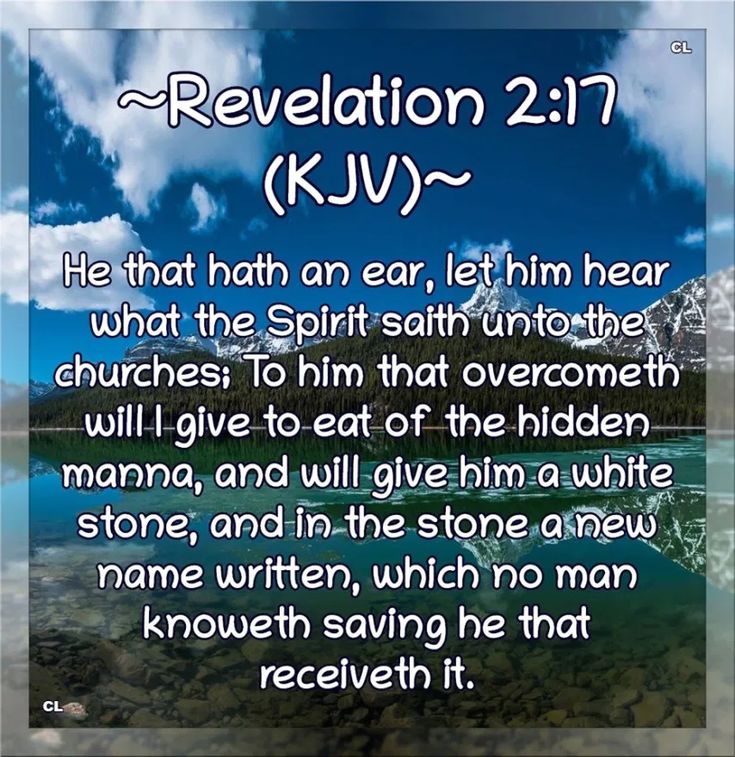
As the passage concludes, verses 17 offers hope—those who remain faithful amid deception will receive spiritual rewards, symbolized by hidden manna and a new name. This promise signifies that there is a deeper, personal relationship with God awaiting those who stand firm against the tides of cultural compromise and falsehood.
In today’s world, where the lines between truth and deception can blur, the call from Revelation 2:13-18 is clear: do not be deceived. Let the lessons from Pergamum resonate with us as we navigate our faith amid a sea of ideas and ideologies.
As we strive for discernment, let’s be proactive in grounding ourselves in truth, repenting wherever necessary, and seeking discernment from God. By doing so, we can remain steadfast, confident in our beliefs, and empowered to resist deception in all its forms.
As we reflect on this passage, let it urge us to recommit to our core beliefs and encourage others to do the same. Together, we can stand against the tide of deception, remaining faithful and steadfast in our journey of faith. Let us be vigilant and unwavering, ensuring our lives truly reflect the truth we hold dear.
As we navigate through life’s challenges, we often encounter struggles that weigh us down. In the midst of my studies, I felt the Lord speak to my heart: “Deliverance doesn’t come without a fight.” This powerful message resonates deeply with me. For my deliverance and the freedom of my family, I had to engage in a fierce battle. And the truth is, deliverance is not a one-time event; it’s an ongoing commitment.
Deliverance is anything but passive. It demands our active participation: taking up our cross, fully submitting to God, resisting the devil, letting go of old habits and thoughts, tearing down strongholds, proclaiming the Word, praying diligently, fasting, and persisting until the chains that bind us are broken. It’s a daily journey that requires courage and resolve.
It’s important to understand that this path may take time—sometimes months, or even years. Freedom looks different for everyone; we each have unique struggles that the enemy tries to hold onto. The key truth here is that everyone faces challenges. Everyone is engaged in a fight.
Let’s take a moment to reflect on the story of Exodus. God raised Moses to lead the Israelites out of Egypt’s bondage. Yet, what met him at every turn? Resistance! Pharaoh refused to let them go, and God sent plagues, illustrating that deliverance is a spiritual battle. Each encounter with Pharaoh was a reminder that persistence is vital; victory belongs to those who refuse to quit.
Even Moses grappled with his self-doubt. When called by God, he hesitated, claiming, “I cannot speak.” But God, in His mercy, provided him with Aaron to support his mission. This exemplifies the heart of God: He equips us, even when we feel weak or afraid. Ultimately, Moses obeyed and persevered, and through his courage, Israel found freedom.
Now, I ask you: What is God calling you to do at this moment? What awaits on the other side of your breakthrough? What is He urging you to lay down, to pray for, to fast over? Remember, deliverance does not come easily; it requires a heart that is willing to fight.
Many people reach out to me, seeking help, and I want to extend that support. This is the Father’s heart. But here’s a vital truth: while support may be available, you must take responsibility for your own fight. You need to get right with God, walk closely with Him, immerse yourself in His Word, fast, pray, and persist! If you don’t take action, those chains will remain.
Pharaoh did not want to let Israel go, and the enemy doesn’t want to let you go, either. He seeks to keep you in torment. Many of you are battling spirits that oppress your mind, disrupt your sleep, and stir your emotions. The enemy resists your freedom and will not relent quietly, but know this: ultimately, he must submit to the power of God.
This is why you must insist on persistent faith. Don’t quit after the first battle; don’t walk away after a single fight. Some become discouraged too easily, saying, “Oh no, this isn’t working. I give up.” This is a mindset of defeat. You need to ask God to make you persistent, long-suffering, strong, and unshakable. The Bible reminds us, “Whatever you ask for in prayer, believing, you will receive in Jesus’ name” (Mark 11:24). So be bold! Ask for endurance. Ask for perseverance. Ask God to raise you up as a spiritual warrior!
The enemy has unleashed spirits of fear, destruction, and death, seeking to invade your mind, will, and spirit. But take comfort in the authority granted to you in Jesus’ name. The strength of His blood, the power of the cross, and the victory of His resurrection all work in your favor.
Now is the time to take action! It’s time to pray, fast, and humbly engage in the spiritual warfare around you—not just for yourself, but for your family, your community, your nation, and your territory!
Rise up, warrior! Gear up with the armor of God. Claim your rightful place in this battle. Take a stand. Fight for your freedom. Fight for your deliverance. Fight for what God has promised you. Remember, the journey to deliverance is a fight, but in the end, it is a fight worth taking!
This is your day. This is your season. This is your fight. Remember, victory is certain because the Lord of Hosts is with you. The God of heaven is fighting for you. And the chains of the enemy must break.
It’s time for a deliverance activation—take your stand.
1 John 1:9 states: “If we confess our sins, he is faithful and just to forgive us our sins, and to cleanse us from all unrighteousness.”
Psalm 51: 1-4 adds: 1. Have mercy upon me, O God, according to thy lovingkindness: according unto the multitude of thy tender mercies blot out my transgressions. 2. Wash me thoroughly from mine iniquity, and cleanse me from my sin. 3. For I acknowledge my transgressions: and my sin is ever before me. 4. Against thee, thee only, have I sinned, and done this evil in thy sight: that thou mightest be justified when thou speakest, and be clear when thou judgest.
_________
So today:
– Confess every known and hidden sin. – Renounce all agreements with darkness, old habits, and ungodly influences.
Say Aloud:
“I repent of every sin, every agreement, every thought, and Word that has opened doors to the enemy in my life. I renounce it in Jesus’ name!”
BREAK LEGAL RIGHTS
Galatians 3:13 states: “Christ hath redeemed us from the curse of the law, being made a curse for us: for it is written, Cursed is everyone that hangeth on a tree.”
Colossians 2:14 states: “Blotting out the handwriting of ordinances that was against us, which was contrary to us, and took it out of the way, nailing it to his cross.”
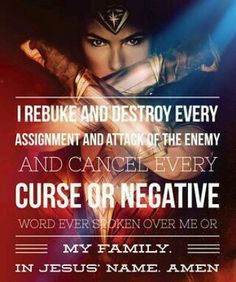
“By the blood of Jesus, I break every curse, every covenant, every oath, and every ungodly agreement that has given the enemy legal right over me, my family, and my territory. You have no authority here in Jesus’ name!”
_________
Command the spirits to leave.
Luke 10:19 says: “Behold, I give unto you power to tread on serpents and scorpions, and over all the power of the enemy: and nothing shall by any means hurt you.”
Then in Mark 16:17 we read: “And these signs shall follow them that believe; In my name shall they cast out devils; they shall speak with new tongues.”
-Take authority over tormenting spirits, oppression, fear, confusion, destruction, and any spirit of death.
Say Aloud:
“Spirits of fear, torment, destruction, and death, I COMMAND you to leave me now in the name of Jesus! You have NO authority here, and you WILL NOT remain!”
_________
Then seal with the Spirit
2 Corinthians 1:21–22 states: “21 Now he which stablisheth us with you in Christ, and hath anointed us, is God; 22 Who hath also sealed us, and given the earnest of the Spirit in our hearts.”
Along with that, Ephesians 1:13 states: “In whom ye also trusted, after that ye heard the word of truth, the gospel of your salvation: in whom also after that ye believed, ye were sealed with that holy Spirit of promise.”
– Invite the Holy Spirit to fill every empty place left by the enemy.
Say Aloud:
“Holy Spirit, fill every area that was once shrouded in darkness. Baptize me in Your fire, Your peace, and Your presence. I am hidden in You and covered by the blood of Jesus!”
_________
Don’t forget to declare victory!
John 8:36 states: “If the Son therefore shall make you free, ye shall be free indeed.”
Romans 8:37 states: “Nay, in all these things we are more than conquerors through him that loved us.”
– Speak the promises of God over your life. Step forward as a symbol of freedom.
Say Aloud:
“I am FREE! I am HEALED! I am DELIVERED! Whom the Son sets free is free indeed. Every chain is BROKEN! Every stronghold is SHATTERED! I walk in VICTORY and AUTHORITY in Jesus’ name!”
________
Adopt a daily war decree.
Job 22:28 states: “Thou shalt also decree a thing, and it shall be established unto thee: and the light shall shine upon thy ways.”
Mark 11:23–24 states: “23 For verily I say unto you, That whosoever shall say unto this mountain, Be thou removed, and be thou cast into the sea; and shall not doubt in his heart, but shall believe that those things which he saith shall come to pass; he shall have whatsoever he saith. 24 Therefore I say unto you, what things soever ye desire, when ye pray, believe that ye receive them, and ye shall have them.”
– Each morning and night, I WILL declare:
“By the blood of Jesus, I am FREE! Every chain, every spirit, every curse is BROKEN! I take my place as a SPIRITUAL WARRIOR. I RESIST the enemy! I am PERSISTENT, STEADFAST, and IMMOVABLE! Heaven fights for me; the enemy MUST FLEE! VICTORY belongs to me in Jesus’ name!”
_________
You must stay in intimacy with Christ daily, declare these things:
– Deliverance is NOT a one-time event; it is a lifestyle. – I commit to daily prayer, Word study, worship, and fasting to keep me STRONG. – I will guard my mind, thoughts, and heart. The enemy will NOT have a foothold in my life!
_________
Prophetically pray over yourself:
“Heavenly Father, by the blood of Jesus, I DECLARE freedom over every chain, every oppression, and every demonic attack! Father, strengthen me, make me PERSISTENT, LONG-SUFFERING, and UNSHAKABLE. I take full authority over my mind, heart, and household. Let Your Spirit fill every empty place! Every demonic hold is BROKEN; every enemy is DEFEATED! Heaven fights for me! Today, I rise as a WARRIOR of God, pressing in for TOTAL deliverance. In the name of Jesus, I proclaim: I am FREE, I am HEALED, I am VICTORIOUS! Amen!”
In our journey through life, we inevitably encounter toxic people who can drain our energy, undermine our confidence, and challenge our compassion. The actions and teachings of Jesus provide a powerful framework for dealing with such relationships. Even Jesus faced betrayal and manipulation, yet he modeled a profound way to handle these challenges with both strength and grace.
One of the most striking aspects of Jesus’ interactions with toxic people was his ability to set clear boundaries. He understood that to maintain his mission and his well-being, he sometimes needed to disengage. For example, Jesus often withdrew from the Pharisees, who sought to ensnare him in their schemes. He chose not to engage on their terms, highlighting the importance of strategic withdrawal.
In Matthew 10:14, Jesus instructed his disciples: “And if anyone will not receive you or listen to your words, shake off the dust from your feet when you leave that house or town.” This verse emphasizes the necessity of establishing clear boundaries. Similarly, there are times in our relationships when we need to recognize that it’s okay to walk away, especially when our efforts are met with hostility or contempt.
Proverbs 22:24-25 advises us, “Make no friendship with a man given to anger, nor go with a wrathful man, lest you learn his ways and entangle yourself in a snare.” This supports the idea that our well-being is paramount and sometimes requires distancing ourselves from negativity.
Jesus’ approach to toxic relationships was not rooted in bitterness or resentment; instead, he exemplified unwavering love. Take Judas, for instance. Despite knowing that Judas would betray him, Jesus washed his feet and treated him as a friend at the Last Supper. This act of love demonstrated that our responses to toxicity do not have to compromise our spirit or humanity.
Jesus understood that he had a higher purpose. As he said in Luke 6:27-28, “But I say to you who hear, Love your enemies, do good to those who hate you, bless those who curse you, pray for those who abuse you.” This lesson teaches us that while we may need to set boundaries, we can also hold onto love and compassion for others, even when they may not deserve it.
Furthering this principle, John 13:34-35 reminds us, “A new commandment I give to you, that you love one another: just as I have loved you, you also are to love one another.” By remaining committed to love, we emulate Christ’s actions.
So how do we apply these lessons in our own lives?
1. Freedom to Disengage: It’s crucial to recognize that some relationships may be harmful. Jesus’ example shows us that there is freedom in stepping back or letting go. It is not unloving to protect your well-being, and sometimes, it’s the most loving thing you can do—for yourself and for the other person.
2. Don’t Let Toxicity Become Yours: While we are called to love, that doesn’t mean we need to accept or mirror toxic behaviors. Romans 12:21 advises us, “Do not be overcome by evil, but overcome evil with good.” It’s essential to maintain our integrity and respond to negativity in a way that reflects our values.
3. Prayer and Trust: Encountering toxic individuals can be draining, and it’s easy to feel overwhelmed. Philippians 4:6-7 says, “Do not be anxious about anything, but in everything by prayer and supplication with thanksgiving let your requests be made known to God.” Taking these matters to God in prayer is essential. Ask for grace, wisdom, and the ability to navigate these situations while trusting that change is possible—even in the hearts of those who might seem irredeemable.
Dealing with toxic people is undeniably challenging, but the teachings of Jesus provide us with a roadmap. As 1 Peter 4:8 reminds us, “Above all, keep loving one another earnestly, since love covers a multitude of sins.” By knowing when to set boundaries, maintaining our compassion, and seeking divine help, we can navigate these difficult relationships in a way that honors our faith and preserves our spirit. Let us strive to love unconditionally while also recognizing when it’s time to walk away, knowing that our true mission is to reflect the light and grace we have received.
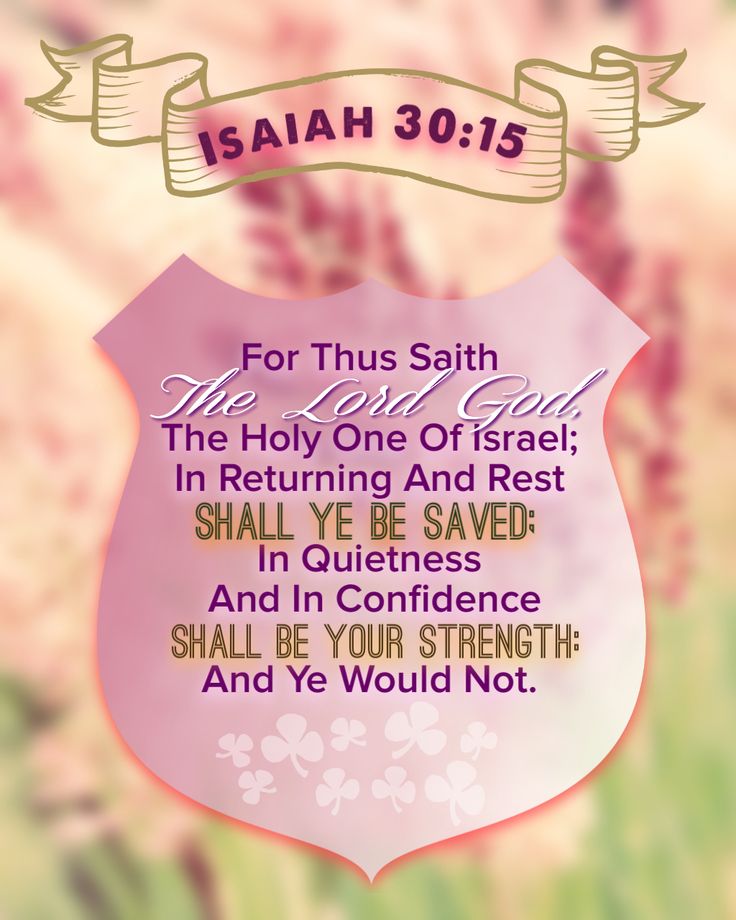
In our fast-paced world, it’s easy to get caught up in the hustle for security and success. We often look for fast solutions, seeking refuge in our own resources and abilities rather than pausing to reflect and find strength in something greater. This brings to mind a powerful message from the book of Isaiah (30:15-16) that still resonates today.
In this passage, God speaks to the people of Israel, offering them a profound promise: “In returning and rest you shall be saved; in quietness and in trust shall be your strength.” Here, God points out the beauty of returning to Him for solace and salvation. The act of resting in faith is presented as a pathway to strength. It’s a gentle reminder that sometimes, the most courageous step we can take is to let go and trust.
However, this invitation to find strength through trust is met with resistance. The people’s response is one of defiance: “No! We will flee upon horses.” This reflects a common tendency among us—to rely on our own plans and immediate solutions when faced with challenges. Instead of seeking the comfort and assurance God offers, they choose to escape through their own means, symbolized by horses and swift steeds.
But there’s a pivotal lesson woven into this narrative. God warns that by dismissing His guidance, they are setting themselves on a path of futility. Their chosen means of escape will not protect them; instead, it will lead to their downfall. This poignant message serves as a reminder that self-reliance, while natural and understandable, can often lead us away from the peace and security that comes from trusting in God.
So, what can we take away from this biblical account?
1. The Importance of Reflection and Rest: In a world that prioritizes constant action, taking a step back to rest and reflect can be a powerful act of faith. Embracing quietness allows us to gain clarity and to tune into God’s guidance rather than getting lost in the noise of our own anxieties.
2. Trust as a Source of Strength: Trusting in God may not always align with our instinct to take control. Yet, this passage emphasizes that true strength comes from letting go and placing our confidence in God’s plans for us, rather than our limited understanding.
3. Recognizing the Limits of Self-Reliance: While it’s natural to seek solutions that provide immediate relief, this passage reminds us to be aware of the potential pitfalls of relying solely on our own resources. Finding strength in faith often leads to deeper, more lasting solutions.
In your daily life, consider how you might embody the message of Isaiah 30:15-16. Are there areas where you feel the urge to ‘flee’ and take control? What might it look like to return to a place of rest and trust? Remember, sometimes the best way to face our challenges is not through rushing headlong into action, but by pausing, reflecting, and leaning into faith.
God’s invitation remains for all of us: to pause, to return, and to find our strength in trust. In the end, may we learn to echo the timeless truth: that true salvation and strength lie in trusting God, even when the world around us compels us to run.





 Stitched Wings Outreach