There was a time when I thought I was broken and unlovable. I’d give so much love, always hoping to feel it returned. When it wasn’t, I questioned my worth, letting others’ actions define how I saw myself. But then I realized the problem wasn’t me—it was expecting love from people who didn’t know how to give or receive it. I wasn’t unlovable. I was simply seeking love in the wrong places. Once I understood that, I could finally see my own value and love myself for who I am.
My hope today is that if you’ve ever felt the same way I did, you’ll start to realize that we are all created for love—to give it and to receive it. If others have left you feeling unloved, remember: it isn’t a reflection of your worth. Surround yourself with people who see your value, and don’t forget to show yourself the same kindness and love you so freely give.
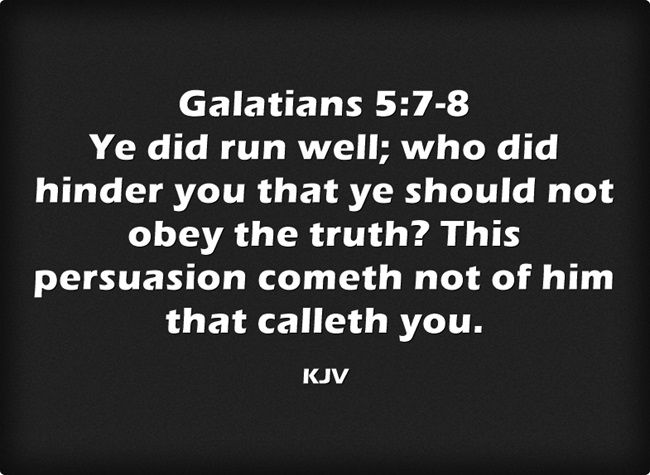
Daily life can be hectic, making it easy to feel lost and forget what matters most. Galatians 5:7 (KJV) reminds us: “Ye did run well; who did hinder you that ye should not obey the truth?” This verse is especially relevant for women managing multiple roles, encouraging us to think about our spiritual journey and the distractions that can lead us off course.
Life is often compared to a race with challenges and chances to grow. Women take on many roles, like being moms, workers, friends, and caregivers, which can leave us feeling pulled in different directions. Galatians 5:7 calls us to remember our faith commitment and assess how we are doing in this spiritual race. We should ask ourselves if we are running well or if something is blocking our progress.
Paul’s question, “Who did hinder you?” encourages us to identify distractions on our path. Distractions can include social media, societal expectations, or our own self-doubt. Recognizing these obstacles is the first step to overcoming them. Many women strive for perfection in their roles but often neglect their spiritual needs. It’s important to pause and evaluate what draws us away from God.
To stay motivated, we need a clear vision of our finish line. For women of faith, this means living a life that reflects God’s truth. We should set personal and spiritual goals and create time for prayer, meditation, and studying Scripture. Establishing this routine makes us more resilient against distractions and helps us move toward our spiritual finish line.
Life is full of challenges, and we will sometimes stumble or stray from our path. This is where grace is important. Galatians teaches us that God welcomes us back, no matter how far we have wandered. Accepting grace means understanding that making mistakes is okay, and we can always find our way back. Being resilient means realizing that how we run our race is more important than our missteps.
As women, we are called to run our race with purpose and strength. Galatians 5:7 invites us to evaluate our spiritual journeys and recognize hindrances. Let’s identify distractions, seek encouraging friends, and focus on our finish line. It’s not just about how we run our races but the journeys we take together. Let’s support and lift each other up as we travel this meaningful journey of faith.
Let’s pray.
Dear God,
We come before You with hearts full of gratitude for the guidance and wisdom found in Your Word. As we reflect on Galatians 5:7, we ask for Your help in staying focused on our spiritual journey. Help us recognize the distractions that hinder our progress and grant us the strength to overcome them.
Lord, we pray that You surround us with supportive friends and a community that uplifts us in faith. May we encourage one another as we navigate our various roles, reminding each other of our true purpose in You.
Help us to keep our eyes on the finish line, living lives that reflect Your truth. Teach us to embrace grace in our missteps and to find comfort in knowing we can always return to You.
As we run this race together, fill us with strength, resilience, and joy. Guide our hearts and minds as we seek to grow closer to You each day.
Have you ever experienced that moment right before the rain falls, where you can smell the fresh, earthy scent of moisture in the air? It’s a scent that brings hope and anticipation, especially after a long dry spell. I remember living near a set of train tracks, where my kids, then at a young age, would leap with joy when they heard the familiar sound of an approaching train. The moment they caught the first glimpse of it whizzing by, their excitement was palpable, a reaction driven purely by expectation.
This feeling of anticipation mirrors a profound spiritual truth beautifully captured in Hebrews 11:1: “Now faith is the substance of things hoped for, the evidence of things not seen.” This verse encapsulates the essence of faith — an unwavering belief that something wonderful is on the horizon, even before it has become apparent. Just as we could sense the rain before its arrival, our faith acts as a sense through which we understand and trust in God’s promises.
Consider the story of Elijah in 1 Kings 18:41. Despite the absence of clouds in the sky, Elijah confidently told Ahab to prepare for rain, declaring, “Go up, eat and drink; for there is the sound of abundance of rain.” Elijah had received a word from God, and through faith, he boldly proclaimed what was yet to come. This kind of incredible faith doesn’t simply acknowledge our desires; it believes with certainty in the outcomes promised by God.
I know many of you may be navigating a season of drought in your lives — perhaps you’re dealing with challenges that feel insurmountable. It’s easy to lose hope when we’re faced with obstacles, but I want to encourage you to hold on. Seek a word from God that speaks directly to your situation. Dive into His Word, where you’ll find a plethora of promises that can strengthen your faith and reignite your hope.
Remember, our God is a promise keeper. He is steadfast and reliable, and when we place our trust in Him, we can rest assured that He is working behind the scenes on our behalf. Just as Elijah had faith in the rain before it fell, you too can cultivate that same sense of certainty about the blessings and breakthroughs that await you.
So, as you navigate this life, let your faith be the lens through which you see the unseen reality of God’s provision and grace. Embrace the anticipation of the rain that is on the way, and allow that hope to transform your current circumstances. In the waiting, trust that your prayers will be answered, for the Great I Am is ever faithful to His children.
Stay strong in your faith, and prepare your heart, for the rain is coming!
In a world where negativity often prevails, the Bible provides a refreshing reminder of the power of our words and the responsibility we carry in using them. As believers, we are encouraged to speak good of others and lift them up, even when we find ourselves mistreated or spoken about poorly. This countercultural response not only reflects the character of Christ but also fosters an environment of love, understanding, and unity.
Ephesians 4:29 exhorts us to let no corrupting talk come from our mouths, but to speak only what is good for building up those who hear. This principle is not just a call to avoid negativity but a challenge to actively seek ways to encourage and uplift others. Imagine how different our interactions could be if we focused on offering words of support rather than engaging in gossip or slander.
The kindness of Christ serves as our ultimate example. When He was mistreated, He responded with grace and compassion rather than retaliation. This approach not only disarms hostility but can also lead to transformative conversations, turning would-be accusers into allies. As Romans 2:4 reminds us, it is God’s kindness that leads us to repentance, highlighting the profound impact of a gentle response.
In the Sermon on the Mount, Jesus provides radical guidance: “Love your enemies and pray for those who persecute you.” This directive calls us to a higher standard of living—one that reflects the heart of God. By loving those who oppose us and responding to negativity with grace, we showcase our identity as children of God. Our response can turn the tide of hostility into opportunities for reconciliation.
In 1 Peter 3:9, we find a similar sentiment. We are instructed not to repay evil for evil or insult for insult but to repay evil with blessing. This is a profound reminder that our reactions can either perpetuate conflict or pave the way for healing and understanding in relationships.
Choosing words that build up rather than tear down is a conscious decision. Proverbs 21:23 advises us to guard our mouths and tongues to keep ourselves out of trouble. When we prioritize speaking life into others, we contribute to a culture of encouragement and support. This choice is not just for our own benefit; it also reflects the teachings of the Scriptures and the love of Christ.
James 1:26 warns us that if we claim to have faith but do not control our speech, our religion is worthless. This underscores the weight of our words in reflecting our spiritual lives. Instead of responding to negativity with harshness, let us choose to embody the grace we’ve received, knowing that our speech can lead to significant change.
As we navigate our relationships and conversations, let’s strive to be people who build others up, even in difficult circumstances. Let us follow the example of Jesus, repaying evil with blessing and speaking words of kindness that can transform hearts. In doing so, we not only grow in our faith but also create a ripple effect that can change our communities for the better. Together, let’s embrace the call to nurture love and unity through our words, becoming beacons of hope and light in a world longing for grace.
In today’s fast-paced world, we often find ourselves seeking guidance amidst the uncertainties of life. One passage that resonates deeply with many of us is Proverbs 3:5-6, which states, “Trust in the Lord with all your heart, and do not lean on your own understanding. In all your ways acknowledge him, and he will make straight your paths.”
The first part of this verse emphasizes the importance of trust. Trusting in the Lord “with all your heart” suggests a complete reliance on Him rather than our own limited understanding. In moments of doubt or confusion, it can be tempting to rely solely on our own reasoning or experiences. However, these verses remind us that God’s perspective is far broader and wiser than ours. By placing our full trust in Him, we open ourselves up to greater peace and guidance.
The verse also urges us not to “lean on your own understanding.” This can be particularly challenging because our instincts and knowledge often feel reliable. Yet, life can throw challenges our way that make our understanding feel inadequate. In these moments, we are reminded to step back and seek God’s wisdom. Embracing humility and recognizing our limitations allows us to grow in faith and learn to depend more fully on divine guidance.
The passage continues with, “In all your ways acknowledge Him.” This is a beautiful reminder to weave God into every aspect of our lives, not just the obvious or monumental moments. Acknowledging Him means recognizing His presence in our daily decisions, challenges, and joys. When we invite God into our everyday experiences, we cultivate a relationship that leads to deeper insights and clarity.
Finally, Proverbs 3:5- 6 concludes with a powerful promise: “He will make straight your paths.” This assurance encourages us that when we trust in God and seek His guidance, He will direct our steps. Although the road may not always be smooth, knowing that we are following a divinely ordained path brings a sense of purpose and direction.
So how can we incorporate the wisdom of Proverbs 3:5-6 into our daily lives? Consider the following practices:
1. Daily Reflection: Spend time in prayer and contemplation, reflecting on your trust in God and areas where you might be relying too heavily on your own understanding.
2. Seek Counsel: Surround yourself with people who encourage spiritual growth and can provide wise counsel. Sometimes, God speaks through others.
3. Actively Acknowledge God: Throughout your day, pause to acknowledge God in decisions, big and small. This helps to cultivate a continual awareness of His presence.
4. Embrace Uncertainty: Trusting God often requires letting go of the need for certainty. Embrace the unknown, knowing that God has a plan for you.
In a world filled with distractions and uncertainties, Proverbs 3:5-6 offers a timeless reminder of the importance of trust in God. By acknowledging Him in every aspect of our lives and relinquishing our need to control the outcome, we can step forward with confidence, knowing that He will guide our paths. Let these verses inspire us to cultivate deeper faith and reliance on the One who knows us best.
In a world that prioritizes appearances—success, charisma, and charm—the believer is called to look deeper. True discernment isn’t merely suspicion; it’s spiritual perception. It’s the gentle voice of the Holy Ghost whispering, “Look again.”
The serpent often conceals itself behind what appears right. He doesn’t approach like a roaring lion; instead, he is subtle — flattering, appealing, and polished. That’s why discernment is not just a gift — it’s essential for the soul’s survival.
“But he that is spiritual judgeth all things, yet he himself is judged of no man.” — 1 Corinthians 2:15 (KJV)
Discernment means that we do not accept everything at face value. It involves measuring what we hear, see, and feel against the Word instead of our emotions.
It’s recognizing the serpent in the reflection before it strikes.
It’s knowing that not everything that glitters is divine.
It’s learning to hear the hiss behind the hallelujah.
Lessons for the Believer:
Discernment protects.
Before deception leads to ruin, discernment serves as a warning. Stay sensitive to the Spirit.
Don’t be impressed by appearance.
Even Eve was deceived by something that seemed desirable (Genesis 3:6).
Use the Word as your lens. What seems flawless to the world may be corrupt when viewed through Scripture.
Pray for discernment daily.
Ask the Holy Ghost to sharpen your spiritual vision. He will show you what eyes can’t see.
Prayer:
“Lord, open my eyes to see as You see. Help my heart discern truth from deception. Keep me from being swayed by appearances and anchor me in what is right.”
Hebrews 5:14 — “But strong meat belongeth to them that are of full age, even those who by reason of use have their senses exercised to discern both good and evil.”
Matthew 7:15 — “Beware of false prophets, which come to you in sheep’s clothing, but inwardly they are ravening wolves.”
1 John 4:1 — “Beloved, believe not every spirit, but try the spirits whether they are of God.”
In today’s fast-paced world, it’s easy to find ourselves caught in unhealthy relationship patterns that leave us feeling drained and unfulfilled. You may have noticed a recurring theme in your relationships: you text first, you call first, and you love with an intensity that often goes unreciprocated. It’s as if you’re caught in a cycle of always giving more than you receive, reaching out for love but only receiving crumbs in return.
This is not the relationship God envisioned for you. The truth is, staying in these unhealthy dynamics fuels a deep sense of discontent and exhaustion. It can feel like a battle you just can’t win, leaving you overwhelmed and too tired to focus on your true purpose.
Recognizing the devil’s tactics is critical. He delights in seeing you chase after fleeting affection, thriving on your desperation for connection and acceptance. When you settle for less than you deserve, you become trapped in a pattern that hinders your spiritual growth and overall well-being.
But here’s the good news: God designed you for something much better! You were created as a daughter of the King, meant to thrive in relationships that uplift you and align with your values. It’s time to reclaim your worth and seek out relationships characterized by mutual respect, love, and spiritual growth.
Start by setting healthy boundaries and being intentional about the types of relationships you pursue. Surround yourself with those who encourage you, challenge you, and help you grow closer to Jesus. Remember, it’s okay to step back from relationships that leave you feeling inadequate or depleted.
Engage in self-reflection and prayer, asking God to show you the unhealthy patterns in your life and how you can break free from them. Surround yourself with supportive friends and community who can help uplift you on this journey.
Ultimately, stepping into the life God has designed for you means embracing your worth, demanding respect, and pursuing relationships that reflect the love and grace you are called to embody. You are not meant to remain stuck in patterns that cause you pain. Instead, choose to walk in the light of God’s love, and watch how He transforms your relationships into powerful sources of joy and strength.
You are worthy of love that is abundant and fulfilling—never settle for less!
Lately, I’ve been thinking about an important truth that God has shown me: our thoughts, beliefs, and the words we speak have great power over our lives. It’s interesting to see how these things shape our personal experiences, our relationship with God, and how we interact with the world.
The Weight of Our Thoughts
Proverbs 23:7 says, “For as he thinks in his heart, so is he.” This verse highlights the importance of our inner dialogue. When we focus on negative thoughts or criticize ourselves, we may limit our potential and cloud our view of God’s promises. On the other hand, when we cultivate positive thoughts based on faith, we can better experience God’s will in our lives.
Our thoughts can lead to beliefs that either help or hinder our spiritual growth. By inviting God into our thinking through prayer and reading scripture, we can align our minds with His truth and experience transformation.
Beliefs that Shape Our Reality
Beliefs are like lenses through which we see our experiences. If we think we are unworthy of God’s love, we may miss out on His freely given grace. Romans 12:2 tells us to “be transformed by the renewal of your mind.” This renewal takes effort in understanding who God is and who we are in Him.
We must replace limiting beliefs with biblical truths. If you feel inadequate, remind yourself of Philippians 4:13: “I can do all things through Christ who strengthens me.” By letting God’s Word shape our beliefs, we can confidently step into the life He has planned for us.
The Power of Words
The Bible often reminds us of the importance of our words. James 3:5 says, “Even so the tongue is a little member and boasts great things. See how great a forest a little fire kindles!” What we say affects our lives and the lives of those around us. Speaking words of encouragement aligns with God’s heart and builds a spirit of love and community.
Our prayers reflect our words. When we declare God’s promises over our lives, we invite His power into our situations. Let’s choose to speak life into our lives and relationships. Instead of sharing complaints or fears, we can proclaim God’s faithfulness and provision.
Conclusion: A Call to Action
As we think about the importance of our thoughts, beliefs, and words, let’s take steps to create a mindset that honors God. Here are some practical ways to use their power in our daily lives:
1. Practice Mindfulness: Each day, take time to reflect on your thoughts. Write them down and see if they align with God’s truth.
2. Affirm Biblical Truths: Make a list of scriptures that relate to your identity and purpose in Christ. Say these truths daily to strengthen your beliefs.
3. Speak Life: Make it a point to encourage others with your words. Your words can uplift, inspire, and change lives.
By letting God guide our thoughts, beliefs, and words, we can change our lives and positively impact those around us for His glory. Small changes in our mindset can lead to significant improvements in our spiritual journeys. Let’s embrace this truth, knowing that with God, all things are possible.
In our spiritual journey, one of the most powerful tools we have is prayer. As believers, we often turn to scripture for guidance, and 1 John 5:14-15 provides profound insights into how we can approach God with confidence. It states:
“And this is the confidence that we have in him, that, if we ask any thing according to his will, he heareth us: And if we know that he hear us, whatsoever we ask, we know that we have the petitions that we desired of him.” (KJV)
These verses remind us that our prayers are not just about bringing our desires to God but about seeking alignment with His will. It’s essential to pause and reflect on the deeper meaning of this scripture.
The Power of Asking According to His Will
The phrase “according to His will” is crucial. It’s a reminder that our understanding of what we want may not always align with what God knows is best for us. Often, we may find ourselves feeling frustrated: “God, I believed I could have this, so where is it?” This frustration can stem from a misunderstanding of the nature of prayer and the character of God.
God’s will for our lives is intrinsically linked to His wisdom and love for us. He sees the bigger picture, understands the future, and knows the intentions of our hearts. When we ask for something, we must consider whether it truly aligns with His purposes for us and whether it would ultimately lead us closer to Him or away from His presence.
Reflecting on Our Requests
Before presenting our requests to God, it can be beneficial to reflect on the following questions:
1. What Motive Drives My Request? – Are we asking out of selfish desires or for His glory to be manifested?
2. Will This Request Lead Me Closer to God? – Will our desires strengthen our faith or lead us down a path that distracts us from our relationship with Him?
3. Am I Being Obedient? – Have we taken the time to seek God’s guidance in our lives? Are we acting in accordance with what He has already told us?
Embracing God’s Timing
Sometimes, even when our requests align with God’s will, we may have to wait. God’s timing is often different from our own. We might not immediately see how our prayers are answered, but faith requires us to trust in His perfect timing and plan.
God’s silence doesn’t mean His absence. It often means He is working beyond our understanding, preparing us for what we asked for or something even better. While waiting, we are invited to continue in prayer, seeking not just answers but a deeper relationship with Him.
Understanding our confidence in God through prayer is intricately tied to our desire to seek His will above our own. As we pray, let’s do so with an open heart, ready to align our desires with His. Remember, He hears us, and when our requests align with His will, we can trust that He will provide. In every prayer, let His glory be our ultimate aim, and may our confidence in Him grow as we deepen our relationship through prayerful obedience.
As you reflect on your own prayers today, consider how you can align your requests with God’s perfect plan for your life. Trust that He hears you, and in His timing, you will receive what you need.
Throughout history, we see examples of people missing out on what could have been theirs due to their own choices. One of the most notable stories is that of the original Israelites. Despite being led by Moses to the very doorstep of the Promised Land, many did not enter. Their ultimate downfall? Disobedience and a spirit of complaint. They often questioned the authority placed over them, asking, “Why do we have to listen to you?”
You might wonder how this relates to us today. Just like the Israelites, we have the opportunity to receive guidance and wisdom from those God places in our lives. Unfortunately, just as they did, many people today struggle to set aside their pride and ego in favor of listening to that guidance.
Reflecting on my personal experiences, I realize that for most of my life, my dad was not just a parent but also my pastor. He had a unique dual role, teaching me essential life lessons while also guiding my spiritual growth. I recall a particular moment when he sought to correct me on an issue. My immediate response was one of defiance: “Why? Just because you say so? What if I believe differently?” In hindsight, I realized my dad was right, and had I chosen to listen, I could have avoided unnecessary heartache and disappointment.
This pattern of resistance is all too common. Instead of leaning into the wisdom offered by those who care for us, we often resist and forge our own paths—sometimes at a significant cost. God places experienced, wise individuals in our lives for a reason. They may not always tell us what we want to hear, but they often speak the truth we need to confront.
Instead of waiting for the lesson to come through hard experience, why not take a step back and listen? Opening our hearts to the voices of wisdom around us can lead us toward our promises rather than the regrets of missed opportunities.
As we navigate life’s journey, let’s seek to be humble enough to listen and wise enough to act on that guidance. In doing so, we may just find ourselves walking in the fullness of what was intended for us all along.








 Stitched Wings Outreach