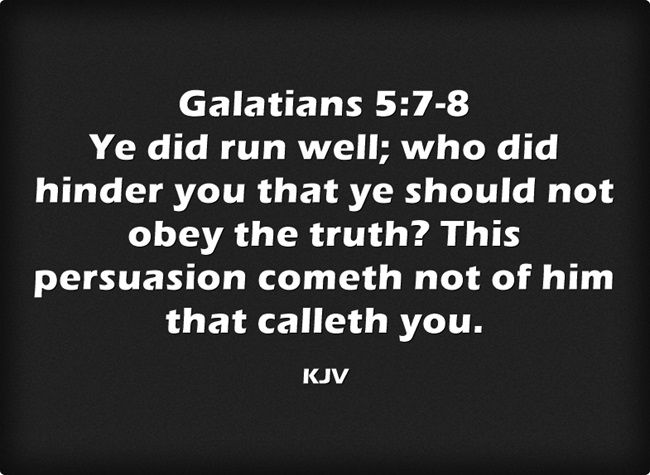
Daily life can be hectic, making it easy to feel lost and forget what matters most. Galatians 5:7 (KJV) reminds us: “Ye did run well; who did hinder you that ye should not obey the truth?” This verse is especially relevant for women managing multiple roles, encouraging us to think about our spiritual journey and the distractions that can lead us off course.
Life is often compared to a race with challenges and chances to grow. Women take on many roles, like being moms, workers, friends, and caregivers, which can leave us feeling pulled in different directions. Galatians 5:7 calls us to remember our faith commitment and assess how we are doing in this spiritual race. We should ask ourselves if we are running well or if something is blocking our progress.
Paul’s question, “Who did hinder you?” encourages us to identify distractions on our path. Distractions can include social media, societal expectations, or our own self-doubt. Recognizing these obstacles is the first step to overcoming them. Many women strive for perfection in their roles but often neglect their spiritual needs. It’s important to pause and evaluate what draws us away from God.
To stay motivated, we need a clear vision of our finish line. For women of faith, this means living a life that reflects God’s truth. We should set personal and spiritual goals and create time for prayer, meditation, and studying Scripture. Establishing this routine makes us more resilient against distractions and helps us move toward our spiritual finish line.
Life is full of challenges, and we will sometimes stumble or stray from our path. This is where grace is important. Galatians teaches us that God welcomes us back, no matter how far we have wandered. Accepting grace means understanding that making mistakes is okay, and we can always find our way back. Being resilient means realizing that how we run our race is more important than our missteps.
As women, we are called to run our race with purpose and strength. Galatians 5:7 invites us to evaluate our spiritual journeys and recognize hindrances. Let’s identify distractions, seek encouraging friends, and focus on our finish line. It’s not just about how we run our races but the journeys we take together. Let’s support and lift each other up as we travel this meaningful journey of faith.
Let’s pray.
Dear God,
We come before You with hearts full of gratitude for the guidance and wisdom found in Your Word. As we reflect on Galatians 5:7, we ask for Your help in staying focused on our spiritual journey. Help us recognize the distractions that hinder our progress and grant us the strength to overcome them.
Lord, we pray that You surround us with supportive friends and a community that uplifts us in faith. May we encourage one another as we navigate our various roles, reminding each other of our true purpose in You.
Help us to keep our eyes on the finish line, living lives that reflect Your truth. Teach us to embrace grace in our missteps and to find comfort in knowing we can always return to You.
As we run this race together, fill us with strength, resilience, and joy. Guide our hearts and minds as we seek to grow closer to You each day.
In today’s fast-paced world, we often find ourselves seeking guidance amidst the uncertainties of life. One passage that resonates deeply with many of us is Proverbs 3:5-6, which states, “Trust in the Lord with all your heart, and do not lean on your own understanding. In all your ways acknowledge him, and he will make straight your paths.”
The first part of this verse emphasizes the importance of trust. Trusting in the Lord “with all your heart” suggests a complete reliance on Him rather than our own limited understanding. In moments of doubt or confusion, it can be tempting to rely solely on our own reasoning or experiences. However, these verses remind us that God’s perspective is far broader and wiser than ours. By placing our full trust in Him, we open ourselves up to greater peace and guidance.
The verse also urges us not to “lean on your own understanding.” This can be particularly challenging because our instincts and knowledge often feel reliable. Yet, life can throw challenges our way that make our understanding feel inadequate. In these moments, we are reminded to step back and seek God’s wisdom. Embracing humility and recognizing our limitations allows us to grow in faith and learn to depend more fully on divine guidance.
The passage continues with, “In all your ways acknowledge Him.” This is a beautiful reminder to weave God into every aspect of our lives, not just the obvious or monumental moments. Acknowledging Him means recognizing His presence in our daily decisions, challenges, and joys. When we invite God into our everyday experiences, we cultivate a relationship that leads to deeper insights and clarity.
Finally, Proverbs 3:5- 6 concludes with a powerful promise: “He will make straight your paths.” This assurance encourages us that when we trust in God and seek His guidance, He will direct our steps. Although the road may not always be smooth, knowing that we are following a divinely ordained path brings a sense of purpose and direction.
So how can we incorporate the wisdom of Proverbs 3:5-6 into our daily lives? Consider the following practices:
1. Daily Reflection: Spend time in prayer and contemplation, reflecting on your trust in God and areas where you might be relying too heavily on your own understanding.
2. Seek Counsel: Surround yourself with people who encourage spiritual growth and can provide wise counsel. Sometimes, God speaks through others.
3. Actively Acknowledge God: Throughout your day, pause to acknowledge God in decisions, big and small. This helps to cultivate a continual awareness of His presence.
4. Embrace Uncertainty: Trusting God often requires letting go of the need for certainty. Embrace the unknown, knowing that God has a plan for you.
In a world filled with distractions and uncertainties, Proverbs 3:5-6 offers a timeless reminder of the importance of trust in God. By acknowledging Him in every aspect of our lives and relinquishing our need to control the outcome, we can step forward with confidence, knowing that He will guide our paths. Let these verses inspire us to cultivate deeper faith and reliance on the One who knows us best.
Lately, I’ve been thinking about an important truth that God has shown me: our thoughts, beliefs, and the words we speak have great power over our lives. It’s interesting to see how these things shape our personal experiences, our relationship with God, and how we interact with the world.
The Weight of Our Thoughts
Proverbs 23:7 says, “For as he thinks in his heart, so is he.” This verse highlights the importance of our inner dialogue. When we focus on negative thoughts or criticize ourselves, we may limit our potential and cloud our view of God’s promises. On the other hand, when we cultivate positive thoughts based on faith, we can better experience God’s will in our lives.
Our thoughts can lead to beliefs that either help or hinder our spiritual growth. By inviting God into our thinking through prayer and reading scripture, we can align our minds with His truth and experience transformation.
Beliefs that Shape Our Reality
Beliefs are like lenses through which we see our experiences. If we think we are unworthy of God’s love, we may miss out on His freely given grace. Romans 12:2 tells us to “be transformed by the renewal of your mind.” This renewal takes effort in understanding who God is and who we are in Him.
We must replace limiting beliefs with biblical truths. If you feel inadequate, remind yourself of Philippians 4:13: “I can do all things through Christ who strengthens me.” By letting God’s Word shape our beliefs, we can confidently step into the life He has planned for us.
The Power of Words
The Bible often reminds us of the importance of our words. James 3:5 says, “Even so the tongue is a little member and boasts great things. See how great a forest a little fire kindles!” What we say affects our lives and the lives of those around us. Speaking words of encouragement aligns with God’s heart and builds a spirit of love and community.
Our prayers reflect our words. When we declare God’s promises over our lives, we invite His power into our situations. Let’s choose to speak life into our lives and relationships. Instead of sharing complaints or fears, we can proclaim God’s faithfulness and provision.
Conclusion: A Call to Action
As we think about the importance of our thoughts, beliefs, and words, let’s take steps to create a mindset that honors God. Here are some practical ways to use their power in our daily lives:
1. Practice Mindfulness: Each day, take time to reflect on your thoughts. Write them down and see if they align with God’s truth.
2. Affirm Biblical Truths: Make a list of scriptures that relate to your identity and purpose in Christ. Say these truths daily to strengthen your beliefs.
3. Speak Life: Make it a point to encourage others with your words. Your words can uplift, inspire, and change lives.
By letting God guide our thoughts, beliefs, and words, we can change our lives and positively impact those around us for His glory. Small changes in our mindset can lead to significant improvements in our spiritual journeys. Let’s embrace this truth, knowing that with God, all things are possible.
In this fast-paced world, it’s all too easy to feel left behind, especially when we see others experiencing breakthroughs and blessings in their lives. Many of us find ourselves wondering, “When will it be my turn?” I know I’ve asked this question on numerous occasions, and I’m sure many of you have too.
This morning, as I woke up, I felt a gentle nudge from God that brought me immense comfort. The verse that came to mind was Lamentations 3:25, which states, “The Lord is good unto them that wait for Him, to the soul that seeketh Him.” It was a reminder that waiting on God is not just about patience but also about trust and faith in His timing.
Later in the day, I reflected on Galatians 6:9, which encourages us, “And let us not be weary in well doing: for in due season we shall reap, if we faint not.” These verses remind us that our efforts and perseverance are not in vain. There is a season for everything. It made me realize that even when we don’t see immediate results, our hard work and dedication will bear fruit if we remain steadfast.
Another powerful verse that resonated with me was Habakkuk 2:3: “For the vision is yet for an appointed time; in the end, it shall speak, and not lie; though it tarry, wait for it; because it will surely come, it will not be behindhand.” This reminded me that God’s plans are often beyond our understanding. Sometimes, our waiting serves a purpose that we may not yet see.
Each of these verses reflects a profound truth about the nature of faith and patience. They inspire us to lean into our waiting periods, encouraging us to seek God actively during these times. We’re reminded that every delay might just be a part of a bigger, divine plan that’s unfolding in our lives.
In conclusion, as we navigate this journey, let’s continue to trust in God’s timing. While we may see others receiving their blessings, let’s remember that our day will come too. Let’s keep pushing forward, doing good, and seeking God earnestly because our breakthrough is on the horizon. It’s not about if it will come, but when. So let’s hold on, wait patiently, and keep the faith. Rejoice with them that rejoice—your day is coming.
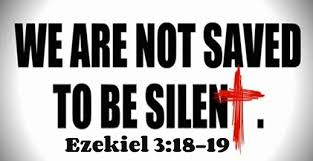
In a world fraught with uncertainty and moral ambiguity, the call to obedience resounds with clear urgency, especially when we examine scriptural directives. A compelling passage that underscores this principle is found in Ezekiel 3:18-19 (KJV), where God speaks to the prophet Ezekiel about the grave responsibility of warning the wicked. This scripture not only emphasizes the importance of obedience but also the consequences that arise from our actions—or inactions.
The passage reads:
“When I say unto the wicked, Thou shalt surely die; and thou givest him not warning, nor speakest to warn the wicked from his wicked way, to save his life; the same wicked man shall die in his iniquity; but his blood will I require at thine hand.” (Ezekiel 3:18)
Here, God makes it abundantly clear that there is a divine expectation for those entrusted with His message. The role of a messenger is not passive; it is one filled with moral responsibility. The phrase “his blood will I require at thine hand” serves as a powerful reminder that neglecting our duty to warn others carries serious repercussions. Our obedience, in this case, becomes a matter of life and death—not just for others but for our own souls as well.
Obedience, then, is not merely about following rules; it is about engaging in a proactive, loving response to God’s call. When we are obedient to God’s voice, we align ourselves with His will, allowing us to become instruments of change in the lives of others. This brings us to the second part of the passage:
“Yet if thou warn the wicked, and he turn not from his wickedness, nor from his wicked way, he shall die in his iniquity; but thou hast delivered thy soul.” (Ezekiel 3:19)
This verse highlights the imperative of action. Even if our warnings go unheeded, the act of obedience protects our own spiritual integrity and ensures that we have done our part. It’s a call to live with courage and conviction, urging us to speak out against wrongdoings, not out of judgment, but from a place of love and concern for the soul’s salvation.
The consequences of disobedience are severe, yet the repercussions of obedience have the potential to ripple through our communities and beyond. The act of warning can lead to repentance and transformation, serving as a testament to the hope and mercy God extends to all humanity.
In today’s context, living out this principle means being unafraid to address issues of injustice, immorality, and wrongdoing while grounded in love. Whether in our personal relationships, within our communities, or on a broader societal scale, our voices matter. Every act of obedience is a chance to help redirect someone toward a path of righteousness.
So, how can we put this into practice in our daily lives? Firstly, cultivate discernment through prayer and study of scripture, allowing God’s Word to guide your decisions. Secondly, seek opportunities to engage with others—be it friends, family, or coworkers—about behaviors or attitudes that may lead them astray. Finally, remember that the outcome is not within your control. Your responsibility lies in the act of obedience and love conveyed in your actions.
The message of Ezekiel 3:18-19 serves as a powerful call to action. We must recognize our roles not only as recipients of God’s grace but also as messengers and stewards of His truth. By embracing the importance of obedience, we not only fulfill our divine calling but also become catalysts for transformation, leading others away from the brink of spiritual death and towards everlasting life. In doing so, we find true freedom and fulfillment in our own souls.
In our modern world, where information flows freely and opinions are often presented as facts, the struggle against deception is more relevant than ever. The message in Revelation 2:13-18 addresses the early church in Pergamum, a community that faced immense pressure and conflicting teachings. Their story serves as an urgent reminder for us to remain vigilant and steadfast in our faith, preventing ourselves from being led astray.
The believers in Pergamum were located in a city steeped in pagan worship and idolatry, often referred to as where “Satan’s throne” resides. In such an environment, the early Christians experienced constant pressure to conform to societal norms, which included the worship of various gods and the emperor. This context makes it clear that the challenges faced by the church were not merely external but also internal, as they contended with the allure of teachings that compromised their faith.
Verses 14 and 15 highlight the danger of compromising beliefs. The church received commendations for maintaining their faith amidst persecution, but was also warned about some members who followed the teachings of Balaam and the Nicolaitans. These indoctrinations encouraged moral laxity and the blending of cultural practices with their faith, leading to a dilution of essential truths.
The message to the church in Pergamum emphasizes the urgency of discernment. Deception can often present itself through appealing ideas that sound reasonable or progressive, but, at their core, deviate from the foundational teachings that guide us. Like the early Christians, we must remain aware of the influences that seek to entangle us in beliefs that compromise our values.
To safeguard ourselves against deception, consider these strategies:
1. Know Your Foundations: Ground yourself in the core tenets of your faith. Understanding your beliefs deeply provides a compass to discern when teachings veer away from truth. (2 Timothy 2:19-21: Nevertheless, the foundation of God standeth sure, having this seal, The Lord knoweth them that are his. And, let every one that nameth the name of Christ depart from iniquity. But in a great house there are not only vessels of gold and of silver, but also of wood and of earth; and some to honour, and some to dishonour. If a man therefore purge himself from these, he shall be a vessel unto honour, sanctified, and meet for the master’s use, and prepared unto every good work.)
2. Engage with Scripture: Regular engagement with the Bible, particularly passages like Revelation 2, allows us to recognize the subtle deviations that can arise in our beliefs. God’s Word is a powerful tool for evaluating all teachings against the truth. (Psalm 119:11: Thy Word have I hid in mine heart, that I might not sin against thee.)
3. Seek Accountability: Surround yourself with a community that values truth. Encouragement from fellow believers can help us remain committed to our values and reinforce our discernment efforts. (Hebrews 10:24-25: And let us consider one another to provoke unto love and to good works: Not forsaking the assembling of ourselves together, as the manner of some is; but exhorting one another: and so much the more, as ye see the day approaching.)
4. Practice Critical Thinking: Before accepting new ideas or teachings, consider their origins and implications. Ask yourself if they align with your understanding of faith, values, and scripture. (1 John 4:1: Beloved, believe not every spirit, but try the spirits whether they are of God: because many false prophets are gone out into the world. 2 Corinthians 10:5: Casting down imaginations, and every high thing that exalteth itself against the knowledge of God, and bringing into captivity every thought to the obedience of Christ;)
The Need for Repentance and Renewal
Verse 16 issues a call to repentance. For the church in Pergamum, failure to repent from the misleading teachings could lead to dire consequences. Likewise, for us, recognizing when we have strayed is crucial. Acknowledging our missteps allows us to realign our hearts and minds with truth, leading to renewal and spiritual growth.
Repentance is not merely a one-time act; it’s a continual process of turning back to what is right when we recognize we’ve been misled. This journey of renewal can rejuvenate our faith, strengthen our convictions, and deepen our connection to God.
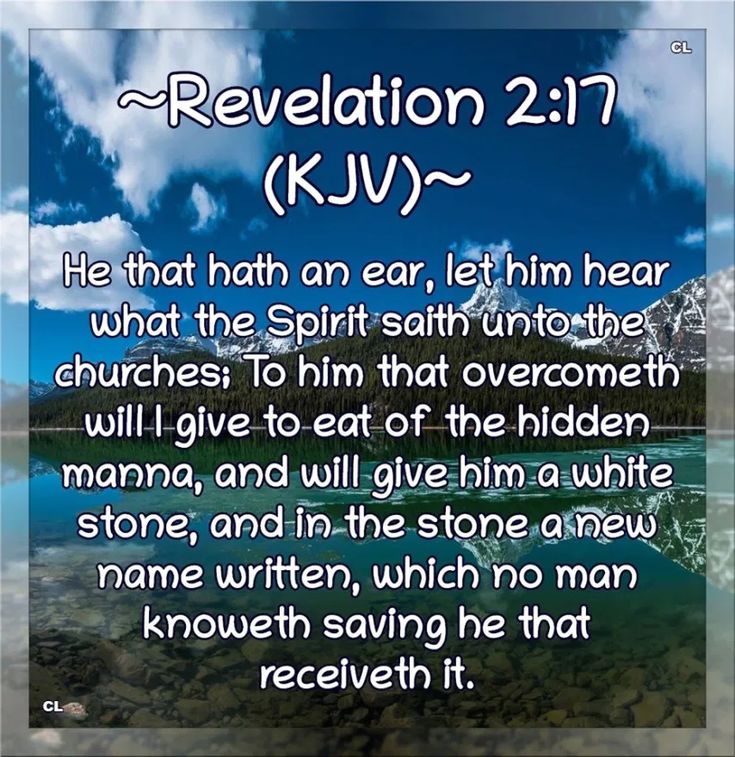
As the passage concludes, verses 17 offers hope—those who remain faithful amid deception will receive spiritual rewards, symbolized by hidden manna and a new name. This promise signifies that there is a deeper, personal relationship with God awaiting those who stand firm against the tides of cultural compromise and falsehood.
In today’s world, where the lines between truth and deception can blur, the call from Revelation 2:13-18 is clear: do not be deceived. Let the lessons from Pergamum resonate with us as we navigate our faith amid a sea of ideas and ideologies.
As we strive for discernment, let’s be proactive in grounding ourselves in truth, repenting wherever necessary, and seeking discernment from God. By doing so, we can remain steadfast, confident in our beliefs, and empowered to resist deception in all its forms.
As we reflect on this passage, let it urge us to recommit to our core beliefs and encourage others to do the same. Together, we can stand against the tide of deception, remaining faithful and steadfast in our journey of faith. Let us be vigilant and unwavering, ensuring our lives truly reflect the truth we hold dear.
As we navigate through life’s challenges, we often encounter struggles that weigh us down. In the midst of my studies, I felt the Lord speak to my heart: “Deliverance doesn’t come without a fight.” This powerful message resonates deeply with me. For my deliverance and the freedom of my family, I had to engage in a fierce battle. And the truth is, deliverance is not a one-time event; it’s an ongoing commitment.
Deliverance is anything but passive. It demands our active participation: taking up our cross, fully submitting to God, resisting the devil, letting go of old habits and thoughts, tearing down strongholds, proclaiming the Word, praying diligently, fasting, and persisting until the chains that bind us are broken. It’s a daily journey that requires courage and resolve.
It’s important to understand that this path may take time—sometimes months, or even years. Freedom looks different for everyone; we each have unique struggles that the enemy tries to hold onto. The key truth here is that everyone faces challenges. Everyone is engaged in a fight.
Let’s take a moment to reflect on the story of Exodus. God raised Moses to lead the Israelites out of Egypt’s bondage. Yet, what met him at every turn? Resistance! Pharaoh refused to let them go, and God sent plagues, illustrating that deliverance is a spiritual battle. Each encounter with Pharaoh was a reminder that persistence is vital; victory belongs to those who refuse to quit.
Even Moses grappled with his self-doubt. When called by God, he hesitated, claiming, “I cannot speak.” But God, in His mercy, provided him with Aaron to support his mission. This exemplifies the heart of God: He equips us, even when we feel weak or afraid. Ultimately, Moses obeyed and persevered, and through his courage, Israel found freedom.
Now, I ask you: What is God calling you to do at this moment? What awaits on the other side of your breakthrough? What is He urging you to lay down, to pray for, to fast over? Remember, deliverance does not come easily; it requires a heart that is willing to fight.
Many people reach out to me, seeking help, and I want to extend that support. This is the Father’s heart. But here’s a vital truth: while support may be available, you must take responsibility for your own fight. You need to get right with God, walk closely with Him, immerse yourself in His Word, fast, pray, and persist! If you don’t take action, those chains will remain.
Pharaoh did not want to let Israel go, and the enemy doesn’t want to let you go, either. He seeks to keep you in torment. Many of you are battling spirits that oppress your mind, disrupt your sleep, and stir your emotions. The enemy resists your freedom and will not relent quietly, but know this: ultimately, he must submit to the power of God.
This is why you must insist on persistent faith. Don’t quit after the first battle; don’t walk away after a single fight. Some become discouraged too easily, saying, “Oh no, this isn’t working. I give up.” This is a mindset of defeat. You need to ask God to make you persistent, long-suffering, strong, and unshakable. The Bible reminds us, “Whatever you ask for in prayer, believing, you will receive in Jesus’ name” (Mark 11:24). So be bold! Ask for endurance. Ask for perseverance. Ask God to raise you up as a spiritual warrior!
The enemy has unleashed spirits of fear, destruction, and death, seeking to invade your mind, will, and spirit. But take comfort in the authority granted to you in Jesus’ name. The strength of His blood, the power of the cross, and the victory of His resurrection all work in your favor.
Now is the time to take action! It’s time to pray, fast, and humbly engage in the spiritual warfare around you—not just for yourself, but for your family, your community, your nation, and your territory!
Rise up, warrior! Gear up with the armor of God. Claim your rightful place in this battle. Take a stand. Fight for your freedom. Fight for your deliverance. Fight for what God has promised you. Remember, the journey to deliverance is a fight, but in the end, it is a fight worth taking!
This is your day. This is your season. This is your fight. Remember, victory is certain because the Lord of Hosts is with you. The God of heaven is fighting for you. And the chains of the enemy must break.
It’s time for a deliverance activation—take your stand.
1 John 1:9 states: “If we confess our sins, he is faithful and just to forgive us our sins, and to cleanse us from all unrighteousness.”
Psalm 51: 1-4 adds: 1. Have mercy upon me, O God, according to thy lovingkindness: according unto the multitude of thy tender mercies blot out my transgressions. 2. Wash me thoroughly from mine iniquity, and cleanse me from my sin. 3. For I acknowledge my transgressions: and my sin is ever before me. 4. Against thee, thee only, have I sinned, and done this evil in thy sight: that thou mightest be justified when thou speakest, and be clear when thou judgest.
_________
So today:
– Confess every known and hidden sin. – Renounce all agreements with darkness, old habits, and ungodly influences.
Say Aloud:
“I repent of every sin, every agreement, every thought, and Word that has opened doors to the enemy in my life. I renounce it in Jesus’ name!”
BREAK LEGAL RIGHTS
Galatians 3:13 states: “Christ hath redeemed us from the curse of the law, being made a curse for us: for it is written, Cursed is everyone that hangeth on a tree.”
Colossians 2:14 states: “Blotting out the handwriting of ordinances that was against us, which was contrary to us, and took it out of the way, nailing it to his cross.”
“By the blood of Jesus, I break every curse, every covenant, every oath, and every ungodly agreement that has given the enemy legal right over me, my family, and my territory. You have no authority here in Jesus’ name!”
_________
Command the spirits to leave.
Luke 10:19 says: “Behold, I give unto you power to tread on serpents and scorpions, and over all the power of the enemy: and nothing shall by any means hurt you.”
Then in Mark 16:17 we read: “And these signs shall follow them that believe; In my name shall they cast out devils; they shall speak with new tongues.”
-Take authority over tormenting spirits, oppression, fear, confusion, destruction, and any spirit of death.
Say Aloud:
“Spirits of fear, torment, destruction, and death, I COMMAND you to leave me now in the name of Jesus! You have NO authority here, and you WILL NOT remain!”
_________
Then seal with the Spirit
2 Corinthians 1:21–22 states: “21 Now he which stablisheth us with you in Christ, and hath anointed us, is God; 22 Who hath also sealed us, and given the earnest of the Spirit in our hearts.”
Along with that, Ephesians 1:13 states: “In whom ye also trusted, after that ye heard the word of truth, the gospel of your salvation: in whom also after that ye believed, ye were sealed with that holy Spirit of promise.”
– Invite the Holy Spirit to fill every empty place left by the enemy.
Say Aloud:
“Holy Spirit, fill every area that was once shrouded in darkness. Baptize me in Your fire, Your peace, and Your presence. I am hidden in You and covered by the blood of Jesus!”
_________
Don’t forget to declare victory!
John 8:36 states: “If the Son therefore shall make you free, ye shall be free indeed.”
Romans 8:37 states: “Nay, in all these things we are more than conquerors through him that loved us.”
– Speak the promises of God over your life. Step forward as a symbol of freedom.
Say Aloud:
“I am FREE! I am HEALED! I am DELIVERED! Whom the Son sets free is free indeed. Every chain is BROKEN! Every stronghold is SHATTERED! I walk in VICTORY and AUTHORITY in Jesus’ name!”
________
Adopt a daily war decree.
Job 22:28 states: “Thou shalt also decree a thing, and it shall be established unto thee: and the light shall shine upon thy ways.”
Mark 11:23–24 states: “23 For verily I say unto you, That whosoever shall say unto this mountain, Be thou removed, and be thou cast into the sea; and shall not doubt in his heart, but shall believe that those things which he saith shall come to pass; he shall have whatsoever he saith. 24 Therefore I say unto you, what things soever ye desire, when ye pray, believe that ye receive them, and ye shall have them.”
– Each morning and night, I WILL declare:
“By the blood of Jesus, I am FREE! Every chain, every spirit, every curse is BROKEN! I take my place as a SPIRITUAL WARRIOR. I RESIST the enemy! I am PERSISTENT, STEADFAST, and IMMOVABLE! Heaven fights for me; the enemy MUST FLEE! VICTORY belongs to me in Jesus’ name!”
_________
You must stay in intimacy with Christ daily, declare these things:
– Deliverance is NOT a one-time event; it is a lifestyle. – I commit to daily prayer, Word study, worship, and fasting to keep me STRONG. – I will guard my mind, thoughts, and heart. The enemy will NOT have a foothold in my life!
_________
Prophetically pray over yourself:
“Heavenly Father, by the blood of Jesus, I DECLARE freedom over every chain, every oppression, and every demonic attack! Father, strengthen me, make me PERSISTENT, LONG-SUFFERING, and UNSHAKABLE. I take full authority over my mind, heart, and household. Let Your Spirit fill every empty place! Every demonic hold is BROKEN; every enemy is DEFEATED! Heaven fights for me! Today, I rise as a WARRIOR of God, pressing in for TOTAL deliverance. In the name of Jesus, I proclaim: I am FREE, I am HEALED, I am VICTORIOUS! Amen!”
In our journey through life, we inevitably encounter toxic people who can drain our energy, undermine our confidence, and challenge our compassion. The actions and teachings of Jesus provide a powerful framework for dealing with such relationships. Even Jesus faced betrayal and manipulation, yet he modeled a profound way to handle these challenges with both strength and grace.
One of the most striking aspects of Jesus’ interactions with toxic people was his ability to set clear boundaries. He understood that to maintain his mission and his well-being, he sometimes needed to disengage. For example, Jesus often withdrew from the Pharisees, who sought to ensnare him in their schemes. He chose not to engage on their terms, highlighting the importance of strategic withdrawal.
In Matthew 10:14, Jesus instructed his disciples: “And if anyone will not receive you or listen to your words, shake off the dust from your feet when you leave that house or town.” This verse emphasizes the necessity of establishing clear boundaries. Similarly, there are times in our relationships when we need to recognize that it’s okay to walk away, especially when our efforts are met with hostility or contempt.
Proverbs 22:24-25 advises us, “Make no friendship with a man given to anger, nor go with a wrathful man, lest you learn his ways and entangle yourself in a snare.” This supports the idea that our well-being is paramount and sometimes requires distancing ourselves from negativity.
Jesus’ approach to toxic relationships was not rooted in bitterness or resentment; instead, he exemplified unwavering love. Take Judas, for instance. Despite knowing that Judas would betray him, Jesus washed his feet and treated him as a friend at the Last Supper. This act of love demonstrated that our responses to toxicity do not have to compromise our spirit or humanity.
Jesus understood that he had a higher purpose. As he said in Luke 6:27-28, “But I say to you who hear, Love your enemies, do good to those who hate you, bless those who curse you, pray for those who abuse you.” This lesson teaches us that while we may need to set boundaries, we can also hold onto love and compassion for others, even when they may not deserve it.
Furthering this principle, John 13:34-35 reminds us, “A new commandment I give to you, that you love one another: just as I have loved you, you also are to love one another.” By remaining committed to love, we emulate Christ’s actions.
So how do we apply these lessons in our own lives?
1. Freedom to Disengage: It’s crucial to recognize that some relationships may be harmful. Jesus’ example shows us that there is freedom in stepping back or letting go. It is not unloving to protect your well-being, and sometimes, it’s the most loving thing you can do—for yourself and for the other person.
2. Don’t Let Toxicity Become Yours: While we are called to love, that doesn’t mean we need to accept or mirror toxic behaviors. Romans 12:21 advises us, “Do not be overcome by evil, but overcome evil with good.” It’s essential to maintain our integrity and respond to negativity in a way that reflects our values.
3. Prayer and Trust: Encountering toxic individuals can be draining, and it’s easy to feel overwhelmed. Philippians 4:6-7 says, “Do not be anxious about anything, but in everything by prayer and supplication with thanksgiving let your requests be made known to God.” Taking these matters to God in prayer is essential. Ask for grace, wisdom, and the ability to navigate these situations while trusting that change is possible—even in the hearts of those who might seem irredeemable.
Dealing with toxic people is undeniably challenging, but the teachings of Jesus provide us with a roadmap. As 1 Peter 4:8 reminds us, “Above all, keep loving one another earnestly, since love covers a multitude of sins.” By knowing when to set boundaries, maintaining our compassion, and seeking divine help, we can navigate these difficult relationships in a way that honors our faith and preserves our spirit. Let us strive to love unconditionally while also recognizing when it’s time to walk away, knowing that our true mission is to reflect the light and grace we have received.
In our fast-paced world, it’s easy to get caught up in the hustle for security and success. We often look for fast solutions, seeking refuge in our own resources and abilities rather than pausing to reflect and find strength in something greater. This brings to mind a powerful message from the book of Isaiah (30:15-16) that still resonates today.
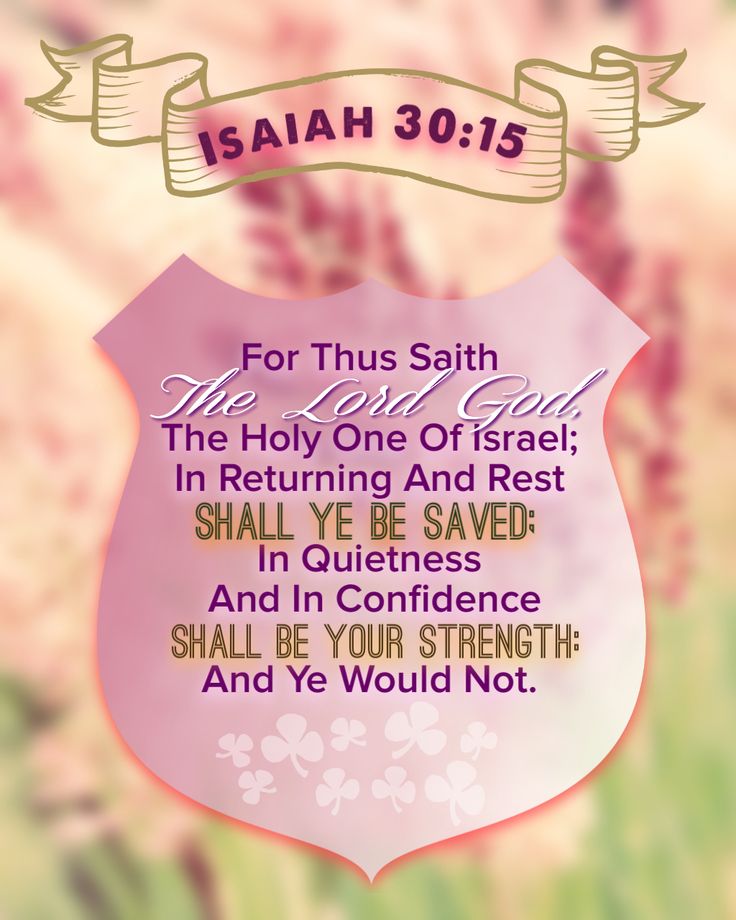
In this passage, God speaks to the people of Israel, offering them a profound promise: “In returning and rest you shall be saved; in quietness and in trust shall be your strength.” Here, God points out the beauty of returning to Him for solace and salvation. The act of resting in faith is presented as a pathway to strength. It’s a gentle reminder that sometimes, the most courageous step we can take is to let go and trust.
However, this invitation to find strength through trust is met with resistance. The people’s response is one of defiance: “No! We will flee upon horses.” This reflects a common tendency among us—to rely on our own plans and immediate solutions when faced with challenges. Instead of seeking the comfort and assurance God offers, they choose to escape through their own means, symbolized by horses and swift steeds.
But there’s a pivotal lesson woven into this narrative. God warns that by dismissing His guidance, they are setting themselves on a path of futility. Their chosen means of escape will not protect them; instead, it will lead to their downfall. This poignant message serves as a reminder that self-reliance, while natural and understandable, can often lead us away from the peace and security that comes from trusting in God.
So, what can we take away from this biblical account?
1. The Importance of Reflection and Rest: In a world that prioritizes constant action, taking a step back to rest and reflect can be a powerful act of faith. Embracing quietness allows us to gain clarity and to tune into God’s guidance rather than getting lost in the noise of our own anxieties.
2. Trust as a Source of Strength: Trusting in God may not always align with our instinct to take control. Yet, this passage emphasizes that true strength comes from letting go and placing our confidence in God’s plans for us, rather than our limited understanding.
3. Recognizing the Limits of Self-Reliance: While it’s natural to seek solutions that provide immediate relief, this passage reminds us to be aware of the potential pitfalls of relying solely on our own resources. Finding strength in faith often leads to deeper, more lasting solutions.
In your daily life, consider how you might embody the message of Isaiah 30:15-16. Are there areas where you feel the urge to ‘flee’ and take control? What might it look like to return to a place of rest and trust? Remember, sometimes the best way to face our challenges is not through rushing headlong into action, but by pausing, reflecting, and leaning into faith.
God’s invitation remains for all of us: to pause, to return, and to find our strength in trust. In the end, may we learn to echo the timeless truth: that true salvation and strength lie in trusting God, even when the world around us compels us to run.
In our journey through life, we often encounter individuals who struggle to recognize our true worth. When faced with negativity and criticism from those around us, it can be disheartening. However, the Bible provides us with wisdom, encouragement, and perspective on how to navigate these challenging relationships while honoring our identity in Christ.
First and foremost, we must remember that our value is not defined by the opinions of others. Ephesians 2:10 reminds us that “we are God’s handiwork, created in Christ Jesus to do good works.” This powerful verse highlights that each one of us is uniquely crafted by God with purpose and intention. When we grasp our identity as beloved children of God, we can withstand the storms of criticism and negativity from those around us.
When others try to undermine your worth or tear down your image, it’s essential to respond with grace. Romans 12:17-18 encourages us not to repay evil for evil but to live at peace with everyone. This means we can choose to respond to negativity with love and understanding, resisting the urge to retaliate. By embodying Christ-like character in our reactions, we not only honor God but also model a better way for those who may be misjudging us.
In times of doubt and struggle, it’s crucial to seek validation from God rather than from flawed human opinions. Psalm 139:14 assures us, “I praise you because I am fearfully and wonderfully made.” Spend time in prayer and reflection, asking God to affirm your worth and guide you in recognizing your unique gifts and abilities. Surround yourself with Scripture that reinforces your identity in Christ, reminding you that you are cherished and significant.
While we cannot control how others perceive us, we can seek out relationships with those who uplift and support us. Proverbs 27:17 states, “As iron sharpens iron, so one person sharpens another.” It’s vital to cultivate friendships and connections with believers who encourage you and recognize your true worth. These uplifting relationships can serve as a fortress when facing discouragement from others.
It’s okay to establish boundaries with people who consistently bring negativity into your life. Matthew 10:14 advises us to shake the dust off our feet and move on if a place or person does not welcome us. Protecting your mental and emotional well-being is essential. Setting boundaries allows you to preserve your peace and maintain focus on your path of growth and fulfillment in Christ.
When faced with individuals who refuse to see your true worth or who try to tear down your image, remember your identity in Christ. Respond to negativity with grace, seek validation from God, build a supportive community, and set healthy boundaries. By following these biblical principles, you will not only affirm your own worth but also shine as a beacon of light in a world that desperately needs to see the value that each person holds as God’s creation. Embrace who you are, and let your worth shine brightly, regardless of how others may perceive you.




 Stitched Wings Outreach