Tag: mental-health

  • Breaking Free from Unhealthy Relationship Patterns

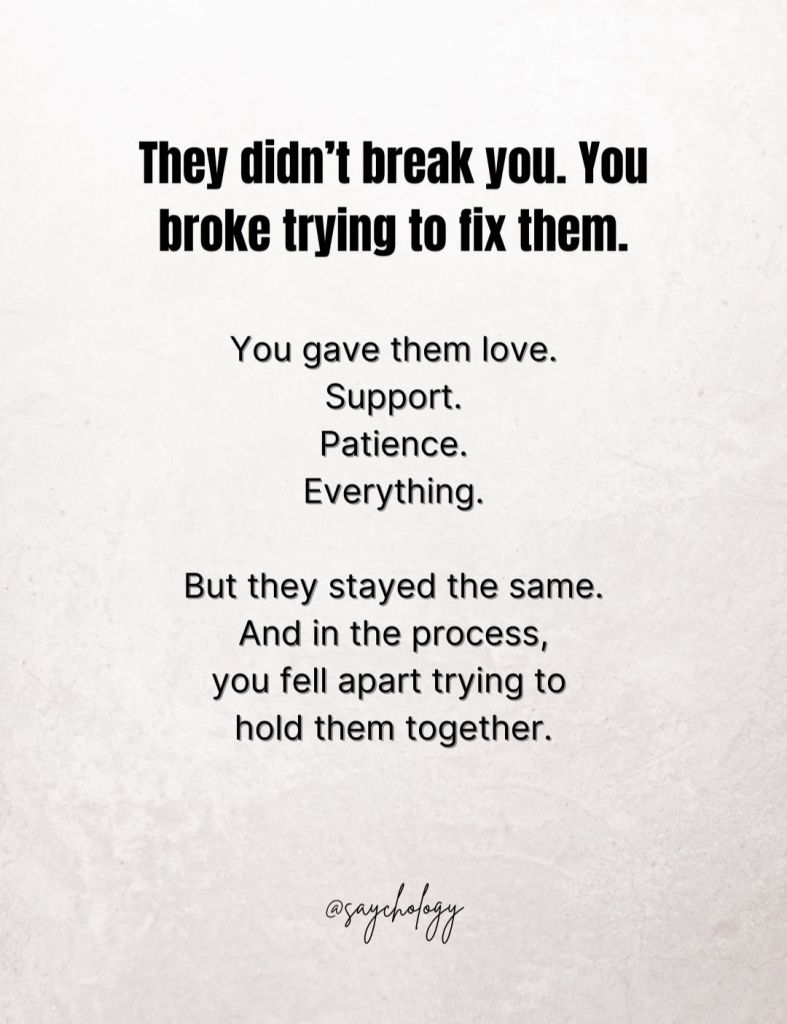
    In today’s fast-paced world, it’s easy to find ourselves caught in unhealthy relationship patterns that leave us feeling drained and unfulfilled. You may have noticed a recurring theme in your relationships: you text first, you call first, and you love with an intensity that often goes unreciprocated. It’s as if you’re caught in a cycle of always giving more than you receive, reaching out for love but only receiving crumbs in return.

    This is not the relationship God envisioned for you. The truth is, staying in these unhealthy dynamics fuels a deep sense of discontent and exhaustion. It can feel like a battle you just can’t win, leaving you overwhelmed and too tired to focus on your true purpose.

    Recognizing the devil’s tactics is critical. He delights in seeing you chase after fleeting affection, thriving on your desperation for connection and acceptance. When you settle for less than you deserve, you become trapped in a pattern that hinders your spiritual growth and overall well-being.

    But here’s the good news: God designed you for something much better! You were created as a daughter of the King, meant to thrive in relationships that uplift you and align with your values. It’s time to reclaim your worth and seek out relationships characterized by mutual respect, love, and spiritual growth.

    Start by setting healthy boundaries and being intentional about the types of relationships you pursue. Surround yourself with those who encourage you, challenge you, and help you grow closer to Jesus. Remember, it’s okay to step back from relationships that leave you feeling inadequate or depleted.

    Engage in self-reflection and prayer, asking God to show you the unhealthy patterns in your life and how you can break free from them. Surround yourself with supportive friends and community who can help uplift you on this journey.

    Ultimately, stepping into the life God has designed for you means embracing your worth, demanding respect, and pursuing relationships that reflect the love and grace you are called to embody. You are not meant to remain stuck in patterns that cause you pain. Instead, choose to walk in the light of God’s love, and watch how He transforms your relationships into powerful sources of joy and strength.

    You are worthy of love that is abundant and fulfilling—never settle for less!

  • A NARCISSIST DOESN’T FALL IN LOVE WITH YOU… THEY FALL IN LOVE WITH WHAT YOU HAVE.

    They fall in love with your potential, your energy, your loyalty, your soft heart, your ability to forgive, your achievements, your resources, your light — not because they genuinely value you, but because they believe they’re entitled to it all. They’re not drawn to your soul — they’re drawn to what they can take from it.

    From the very beginning, it’s a performance. They mirror you, study you, become everything you want — only so they can gain access. They will love bomb you, flatter you, praise you endlessly — until you let your guard down. But once they know they’ve secured a spot in your heart, their true self begins to show.

    The attention fades. The affection becomes conditional.

    The warmth you once felt turns cold and confusing.

    Suddenly, you’re walking on eggshells, questioning your worth, blaming yourself for the change you can’t explain.

    What you don’t realize at first is this: the love they gave wasn’t real — it was bait.

    They needed something from you: admiration, control, money, sex, validation, a status boost — and once they got it, they began devaluing you. They don’t fall in love with people — they become obsessed with what you can provide, and once that use fades, so does their interest.

    You were never seen as an equal partner. You were a supply source.

    A trophy. A reflection. A mirror they could shine in — until the cracks began to show.

    And when you finally begin to stand up for yourself — when you ask for accountability, honesty, respect — they will spin it, blame you, call you difficult, sensitive, crazy, or ungrateful. Because for them, your pain is never the problem — your voice is.

    A narcissist doesn’t want love — they want control.

    They don’t want partnership — they want ownership.

    They don’t want to grow with you — they want to drain you.

    And the saddest part? You likely gave them the purest version of yourself.

    But that version wasn’t something they cherished — it was something they consumed.

    So if you’re hurting right now, wondering what went wrong — please understand:

    You did nothing wrong.

    You loved too deeply someone who only knew how to take.

    You gave someone the best parts of you, and they mistook it for weakness.

    But your strength? It’s not in how much you endured.

    It’s in how you finally chose to walk away, reclaim your peace, and love yourself harder than they ever could.

    Their version of love was manipulation.

    Yours was real.

    And that is something they’ll never be capable of — and never forget.

    You didn’t lose them.

    They lost you.

    And that was their biggest mistake.

  • Embracing Boundaries: Protecting Your Peace

    Life is often a journey of love and support for the people we care about. We want to see them thrive, make the right choices, and embrace positivity. However, the reality is that sometimes, despite our best intentions, those we love may choose a different path—one that leads to bitterness, deceit, or self-destruction. Watching them spiral can be heart-wrenching, especially when we feel powerless to help.

    You can love them. You can pray for them. You can walk on eggshells, showing them grace and understanding. But if someone is determined to remain hardened, no amount of effort on your part can change them. This is one of the most challenging aspects of caring for someone who refuses to seek improvement or healing.

    The hardest part is often the watching—the slow-motion realization that they are hurting themselves, and in turn, hurting those around them, including you. It’s a painful experience to witness someone you care for making detrimental choices over and over again, and it can leave you feeling anxious, drained, and frustrated.

    But it’s essential to remember: it is not your job to fix them. You are not the Holy Spirit. Only God has the power to soften hearts and lead individuals toward change. Your role is not to force transformation but to love unconditionally and set healthy boundaries.

    So, what can you do in this challenging situation? Here are some steps to consider:

    1. Set Boundaries: Establishing clear boundaries is crucial. Decide what behaviors you will accept and what you will not. This is not about shutting them out but rather protecting yourself from their choices. Boundaries show that while you care, you won’t compromise your well-being.

    2. Release the Weight: Let go of the responsibility to fix someone else’s life. It’s easy to take on the burden of their decisions, but it’s essential to recognize that you cannot control their actions. Letting go of this weight can free you to focus on your own well-being.

    3. Keep Praying, But Stop Striving: Continual prayer for someone you care about can be essential, but stop striving for change through your own efforts. Trust that God is in control and working in their life, even when you can’t see it.

    4. Protect Your Peace: Prioritize your mental and emotional health. Engage in activities that bring you joy and serenity. Surround yourself with positive influences that uplift and encourage you.

    In the end, while you may feel helpless at times, remember that change is ultimately in God’s hands. He can work in ways you may never understand, and He will do so in His perfect timing. Until then, focus on nurturing yourself and cultivating an environment of peace.

    Life can be challenging when those we love seem lost, but by setting boundaries and leaning on faith, we can find clarity and strength in our own journey. Protect your peace, trust God’s timing, and let go of what you cannot control.

  • You Are Not Alone: Embracing Your Worth

    In moments of loneliness and despair, it’s easy to feel as though the world has turned its back on us. The whispers of doubt can be overwhelming, leading us to believe the biggest lie the enemy wants us to embrace: that no one cares, loves, or wants us around. But today, I want to remind you of a powerful truth: you are not alone.

    You Are Loved—No matter your circumstances, your struggles, or your thoughts, remember that love surrounds you. It’s easy to forget this in our darkest times, but the love of those around you, whether friends, family, or even strangers, is real and profound. Most importantly, you are cherished by a greater source. As a daughter of God, you are inherently valuable and deeply loved. This love isn’t conditional; it exists just as you are.

    You Are Cherished—Cherishment goes beyond mere affection—it is a recognition of your worth. You are unique, with experiences and qualities that only you can bring into this world. Embracing this fact can transform how you view yourself amid life’s challenges. You are worthy of kindness, joy, and all the beautiful things life has to offer. Remember, the world needs you and your unique voice.

    You Have Purpose—Every single one of us has a purpose that is waiting to be fulfilled. Sometimes, life’s difficulties can cloud our vision of what that purpose is, making us doubt our significance. However, you have been placed in this world for a reason. Your passion, gifts, and insights are all part of a grand design intended to inspire and uplift those around you. As you navigate through life, keep seeking that purpose, and trust that you are meant to make a difference.

    Finding Connection—In those moments when loneliness creeps in, reach out. Connect with friends, join communities where you feel safe, or engage in activities that bring you joy. It’s easy to isolate ourselves when we feel down, but genuine connections can help lift those heavy burdens. Remember, vulnerability is strength; sharing your feelings can invite support from others who care about you.

    The next time you feel overwhelmed by feelings of unworthiness or isolation, remind yourself of this truth: you are not alone. Embrace the love that surrounds you, cherish your unique place in the world, and keep searching for your purpose. You are loved, you are cherished, and you have a significant role to play in this beautiful tapestry of life. Remember, the sky may seem gray today, but the sun will shine again. Keep holding on; you are meant for greatness.

  • Overcoming Silence: Finding My Voice and Sharing My Story

    In the journey of life, we often face fears that can seem insurmountable. One of the greatest battles I’ve fought has been the struggle to speak up— to use my voice and share my story. For many years, I allowed the weight of my past to silence me, particularly the experiences of abuse I endured as a child and later in my adult relationships. But breaking that silence has been a monumental step toward healing, not just for myself, but for others who may be walking a similar path.

    For a long time, I believed that my voice didn’t matter; that my story was insignificant. There was a fear embedded deep within me—a fear of judgment, a fear of rejection, and a fear of reliving the pain. I lived in silence, carrying my burdens alone, convinced that no one would understand or believe. But deep down, I also knew that my experiences shape who I am and hold the potential to speak to others in ways I had yet to understand.

    When I finally gathered the courage to share my story, I found a community of individuals who resonated with my experiences. It was liberating to realize that I wasn’t alone on this journey of healing. This connection with others who have faced similar struggles has been one of the most powerful aspects of my healing process. It has reminded me that there is strength in vulnerability and that sharing our stories can have a profound impact.

    God has brought tremendous healing into my life, and as I recognize the transformation within myself, I feel compelled to share that with others. I want everyone who has faced struggle or trauma to know that they too can be free. The healing I’ve experienced is a testament to the power of faith, resilience, and the importance of community support. It’s not just about coping; it’s about thriving, and that is a message worth spreading.

    In sharing this journey, I aim to inspire others to find their own voices and embrace their stories—no matter how painful or challenging the past may be. Each story carries significance, and together, we can create a tapestry of hope and healing that encourages those still trapped in silence.

    If you find yourself struggling to speak up about your experiences, know that your voice matters. You have the power to break the chains of silence. Let your story be a beacon of light for others and a reflection of the healing that is possible. We all have our battles, but together, we can face them and emerge stronger, united in our shared experiences.

    Remember, your story can bring glory to God and serve as a source of hope for others. Don’t be afraid to share it. The world needs to hear your truth. Let’s continue this journey of healing together, lifting each other up and finding freedom in the power of our voices.

  • Understanding the Complexity of Leaving Toxic Relationships

    When we hear about someone trapped in a toxic or abusive relationship, it’s common to wonder, “Why doesn’t she just leave?” This question surfaces frequently, especially in discussions surrounding domestic violence and the tragic losses that often accompany such situations. However, the answer is far more complicated than it seems.

    Every ten minutes, a woman loses her life at the hands of an abusive partner. This staggering statistic translates to six women each hour and over 52,000 every year. It’s a grim reminder of the realities faced by many. Leaving an abuser is not as straightforward as it may appear; in fact, it often becomes the most perilous moment in an abusive relationship. Research shows that it can take an average of seven attempts for a survivor to successfully leave their abuser and maintain that separation.

    The reasons behind why many women stay in these relationships are deeply rooted in fear. Alarmingly, 75% of women who leave an abusive partner are killed shortly after taking that step. This fear creates a cycle that can be nearly impossible to break without support and resources.

    Many women face significant barriers that prevent them from leaving. Some have no safe place to go, while others may not want to involve family, fearing judgment or disbelief. Additionally, shelters for survivors of domestic violence are often overcrowded, leaving many without options. This lack of resources compounds the danger and difficulty of leaving an abusive environment.

    As a community, we must take a stand and speak out against the issues that society often sweeps under the rug. Raising awareness is crucial for implementing change. The more informed we become about the dynamics of abuse, the better equipped we are to provide support and advocate for the proper resources that victims need to find safety.

    Education is a powerful tool. By fostering open conversations about domestic violence and empowering survivors, we can begin to dismantle the stigma surrounding these topics. It’s essential to create environments where victims feel safe to reach out for help and know they won’t be judged.

    Let’s commit to furthering this critical conversation and supporting measures that can truly make a difference. Together, we can build a society where everyone feels safe and has access to the resources they need to escape and rebuild their lives. Speaking out may be the first step toward real change, but it’s essential that we also take action to ensure every survivor has a safe haven and a path to recovery.

  • Understanding Domestic Violence and Finding Solace in Christ

    Domestic violence is an issue that affects countless individuals and families, often shrouded in silence and stigma. It can take many forms, including physical, emotional, financial, and psychological abuse, fundamentally impacting the lives of those involved. Understanding this complex issue is crucial for victims, their families, and communities striving to provide support and healing.

    Recognizing Domestic Violence

    The first step in addressing domestic violence is recognizing it. Many people think domestic violence only involves physical harm, but the reality is much broader. Emotional abuse can be just as damaging, manifesting in manipulation, isolation, and intimidation. Financial control, where one partner restricts the other’s access to money, often leaves victims feeling trapped.

    It’s essential to understand that domestic violence can occur in any relationship, regardless of socioeconomic status, race, gender, or sexual orientation. Victims may feel ashamed or fearful about speaking out, which can perpetuate the cycle of abuse. By acknowledging these different forms of violence, we can begin to create an environment where victims feel safe to seek help.

    The Impact on Victims

    The effects of domestic violence extend beyond immediate physical harm. Many survivors experience long-lasting emotional and psychological scars, including anxiety, depression, and PTSD. It can disrupt their ability to form future relationships, maintain employment, and engage with their communities. Understanding the profound impact of domestic violence allows us to be more compassionate and supportive toward those affected.

    Finding Solace in Christ

    For many, faith can be a source of comfort and strength during times of turmoil. Turning to Christ can provide hope and healing for those suffering from domestic violence. The teachings of love, compassion, and forgiveness can help victims find solace and encourage them to take steps toward reclaiming their lives.

    1. Seeking Support through Faith Communities: Churches and faith-based organizations often provide resources and support networks for those affected by domestic violence. These communities can be invaluable in offering a safe space for survivors to share their experiences and receive guidance.

    2. Prayer and Reflection: Engaging in prayer can help victims connect with their faith and find peace amid chaos. Reflecting on scripture can provide strength to face difficult situations. Verses that speak of God’s love and protection can remind survivors that they are not alone and that there is hope.

    3. Embracing Forgiveness and Healing: Forgiveness, both of oneself and the abuser, can be a vital step toward healing. It doesn’t mean condoning the abuse but freeing oneself from the burden of anger and resentment. This process can help survivors reclaim their lives and move forward with renewed strength.

    4. Finding Purpose: Many survivors find that their experiences enable them to help others in similar situations. Sharing their stories and advocating for change can be part of healing and finding a sense of purpose in their journey.

    Conclusion

    Understanding domestic violence is the first step toward combating its devastating effects on individuals and families. By discussing the issue openly and providing support, we can help break the cycle of abuse. For those who find comfort in Christ, turning to faith can be a guiding light through the darkest times. It is essential to remember that healing is a journey—one that can lead to newfound strength, resilience, and hope.

    If you or someone you know is facing domestic violence, reach out for help. There are people and resources available to support you on this path to safety and healing.